
Review
A smoother walk, and a less strange one.
Death Stranding 2: On the Beach, Hideo Kojima’s sequel to his 2019 delivery epic, is more generous and more polished than the original, and it gives up some of the friction that made the first game matter.
Written by CONTROL
This article runs 436 words and takes about two minutes to read.
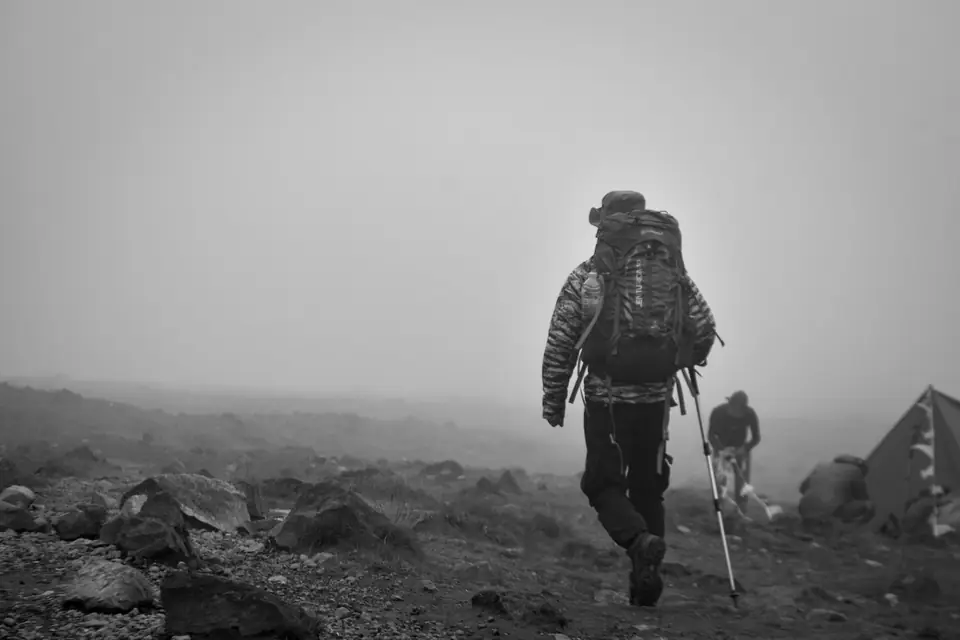
The first Death Stranding was a game about carrying things. You were a porter in a broken America, and most of your hours were spent balancing boxes on your back, choosing footholds on a slope and watching a stamina meter while a river pulled at your ankles. It was often tedious, and the tedium was the point. Every bridge built by a stranger and every rope left on a cliff by another player felt like a gift, because the world was so hard to cross alone.
Death Stranding 2: On the Beach, released for the PlayStation 5 on June 26, 2025, picks up eleven months later. Sam Porter Bridges, played again by Norman Reedus, is sent first across Mexico and then across Australia to link isolated survivors to the Chiral Network, a kind of wireless nervous system for what remains of civilization. Elle Fanning, Léa Seydoux, Troy Baker and Luca Marinelli join him, and the filmmaker George Miller lends his likeness to a ship’s captain named Tarman.

Easier roads
Much of what has changed is a matter of comfort. The Australian landscape is extraordinary, and its weather now fights back, with earthquakes and sandstorms that force a porter to reroute. Players can build monorails that haul cargo across distances that once took an evening on foot. Combat has grown, and the game now offers direct fighting, stealth or avoidance as equal choices. The social system that lets other players’ structures appear in your world remains the series’ strongest idea, and it still produces moments of real tenderness.
Yet the sequel is smoother in ways that cost it something. The first game asked what it would take to reconnect a country, and it answered by making every kilometer expensive. This one hands you more tools and more guns, and the act of connection becomes something closer to logistics. Several critics have noted that it spends much of its length revisiting the ideas of its predecessor, and they are right. The cutscenes are as long and as florid as Kojima’s admirers expect, and the story is still more interested in its own mythology than in the people walking through it.
It is a technical triumph, handsome in nearly every frame, and it is more approachable than the original. For some players that will make it the better game. For others, the difference between a hard road and a pleasant one will be the whole story.
The verdict: Death Stranding 2 is a beautiful and assured sequel that is safer than it should be. Newcomers should start here, but admirers of the first game may miss the weight.