
Review
A revolution run by a man who forgot the password.
Paul Thomas Anderson’s One Battle After Another, loosely drawn from Thomas Pynchon’s Vineland, is a political chase picture that turns out to be a film about fathers.
Written by CONTROL
This article runs 408 words and takes about two minutes to read.
Paul Thomas Anderson has made films about oilmen, cult leaders and dressmakers, and each one is secretly about a man who wants control and cannot keep it. His tenth feature makes the theme almost comic. Leonardo DiCaprio plays Bob Ferguson, a former revolutionary who spent his youth blowing things up and has spent the sixteen years since hiding in a small California town, stoned, in a bathrobe, raising a daughter. When his old enemy comes looking for the girl, Bob has to rejoin a movement that has moved on without him.
The best joke in the film is about that gap. Bob phones the underground for help and cannot remember the code phrase, and the voice on the other end, bound by protocol, will not let him through. Anderson plays the scene for laughs and then lets it sit. The revolution survived; it simply became a bureaucracy with passwords, and the man who once blew things up for it is now locked out.

Penn, and the pleasure of a real villain
Sean Penn plays Colonel Steven J. Lockjaw, a military officer whose obsession with Bob’s former lover curdles into a hunt for her daughter. It is a grotesque performance, stiff-backed and hungry, and it earned him an Oscar. Benicio del Toro, as a karate teacher who runs a quiet network of his own, gives the film its calm center, and Chase Infiniti, in her first film role, holds her own as Willa, the daughter who has more nerve than anyone around her. Teyana Taylor burns through the first act as Perfidia Beverly Hills and leaves a hole the film is right not to fill.
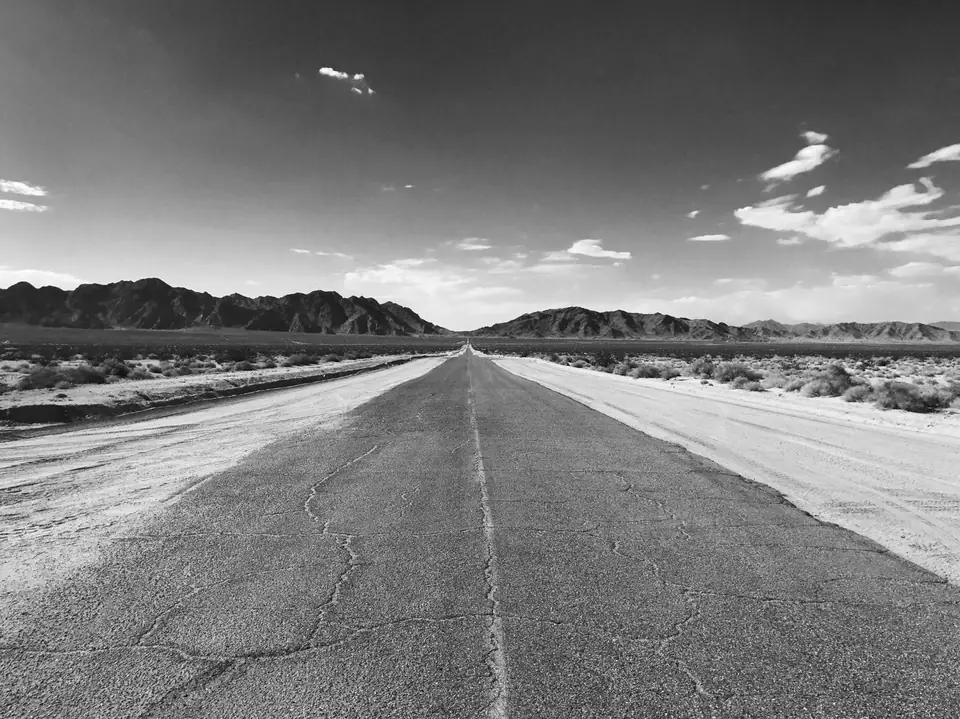
Anderson shot most of the picture in VistaVision, a wide 1950s format, and the choice pays off in the open spaces. A late chase along a desert road of blind rises, scored by Jonny Greenwood, is as good as anything he has filmed.

Where it sags
At 162 minutes it is too long, and the middle hour sprawls in a way that feels less like Pynchon’s mischief than like indecision. The politics are pointed but broad, and a few supporting figures exist only to be satirized. The film won Best Picture, and it deserved the award less than the chase and the phone call alone suggest.
The verdict: Go for DiCaprio’s rumpled panic, Penn’s terrifying posture and twenty minutes of filmmaking that only Anderson could manage. Forgive the rest, because the ending earns it.