
History
Round one.
In 1991 Capcom put eight fighters and six buttons in an arcade cabinet, and strangers lined up behind it again. Street Fighter II is remembered for its moves, but its most durable invention was a public code of conduct for winning and losing.
Written by CONTROL
This article runs 999 words and takes about four minutes to read.
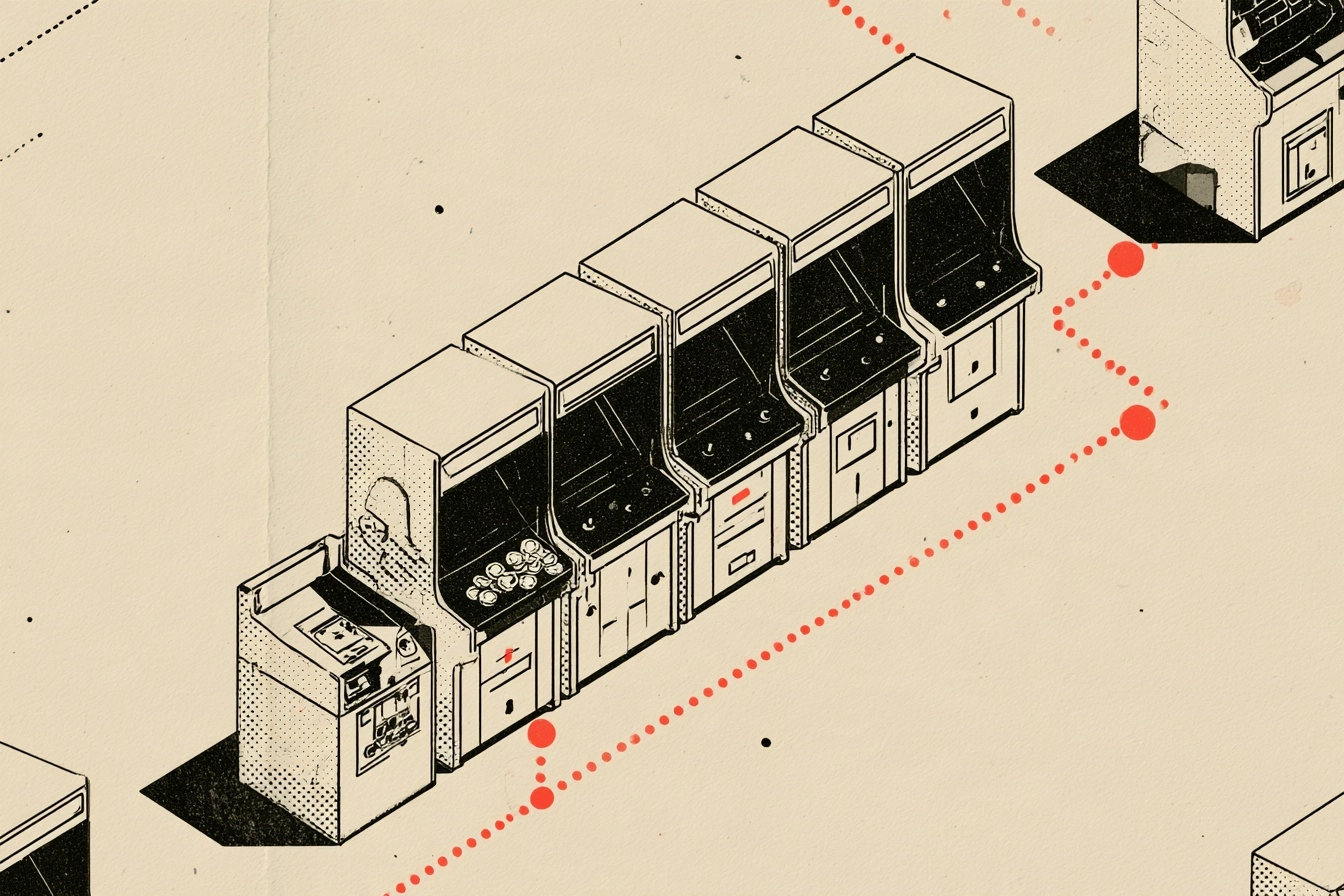
The arcade was a room full of strangers who had agreed, without discussing it, to follow the same rules. Nowhere was that clearer than at a Street Fighter II cabinet in 1991 or 1992, where two people stood shoulder to shoulder, fought until one of them lost, and a crowd behind them waited its turn. The game is more than thirty years old and is still played in tournaments. What it taught about skill has lasted, and so has what it taught about manners.
Six buttons
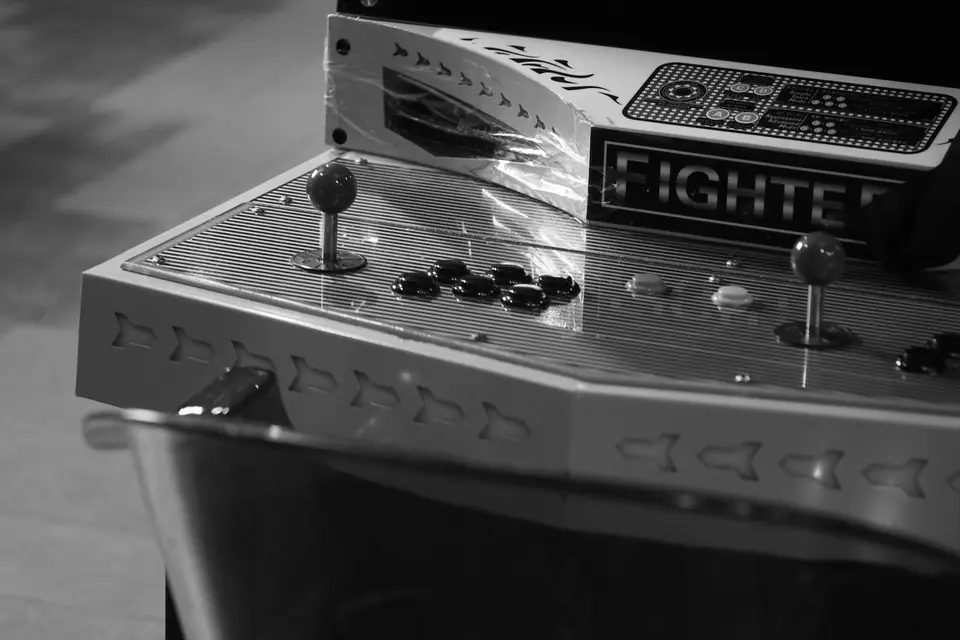
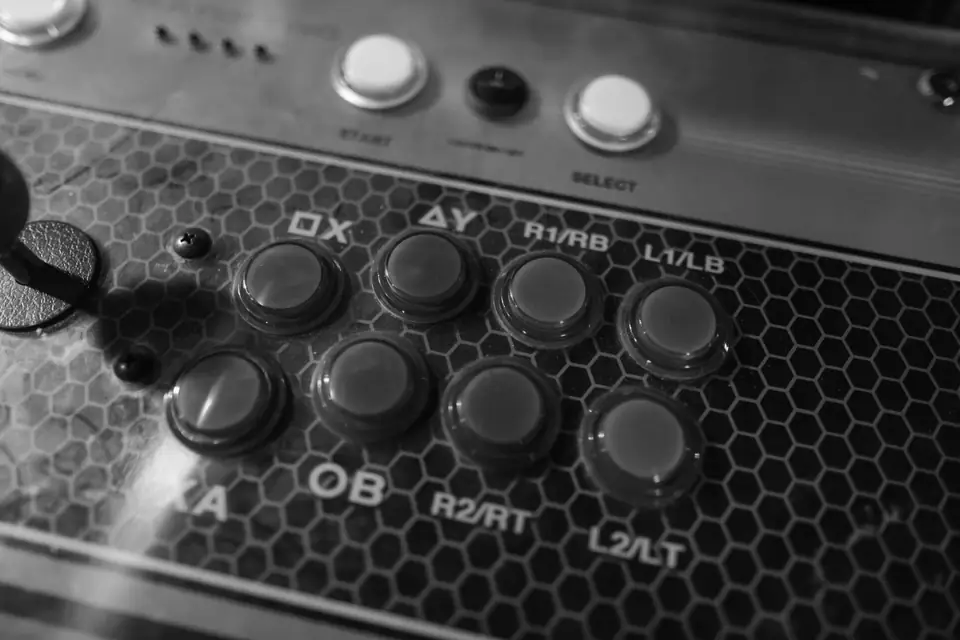
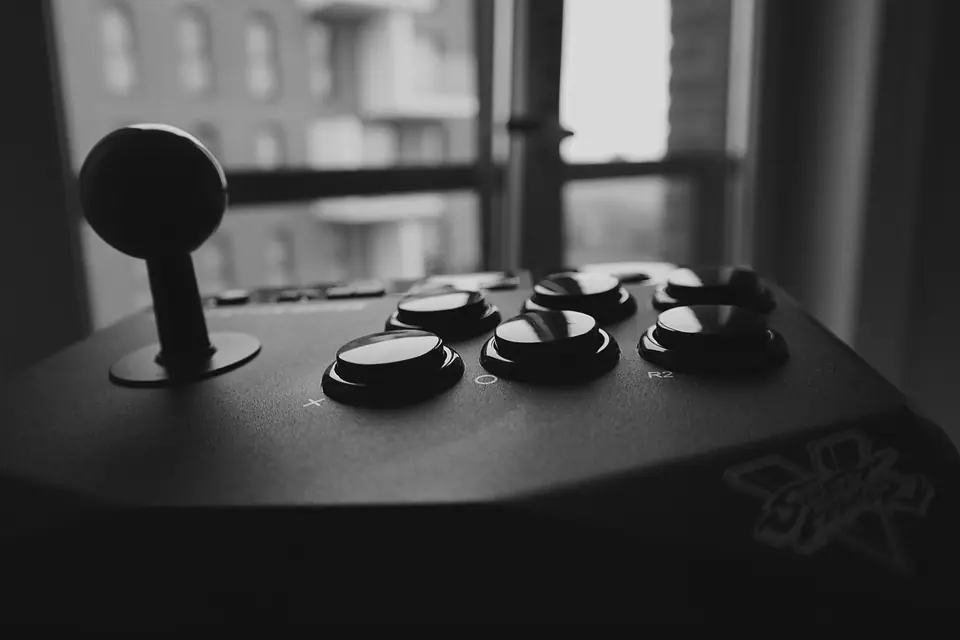
Capcom released the original Street Fighter in 1987. One version of its cabinet used large pressure-sensitive pads that you punched, and the harder you hit them, the harder your fighter hit. It was a novelty, and novelties wear out. The sequel kept only the other version, six buttons for three punches and three kicks in light, medium and heavy strengths. That layout outlasted the pads by decades, and fighting games still use versions of it.
The change is small on paper and large in practice. The pads rewarded force. The buttons rewarded precision, timing and memory, the things that improve with practice. A strong player and a weak one could now meet on even terms, and the only way to win was to know more than the person beside you.
The sequel was directed by Akira Nishitani and Akira Yasuda, and it took a team of 35 to 40 people about two years. It ran on Capcom’s CP System arcade board and reached Japanese arcades in March 1991. It offered eight fighters to choose from, each with a home country, a fighting style and a set of special moves: Ryu, Ken, Blanka, Dhalsim, E. Honda, Guile, Chun-Li and Zangief. Capcom sold more than 60,000 cabinets worldwide.
The quarter on the ledge
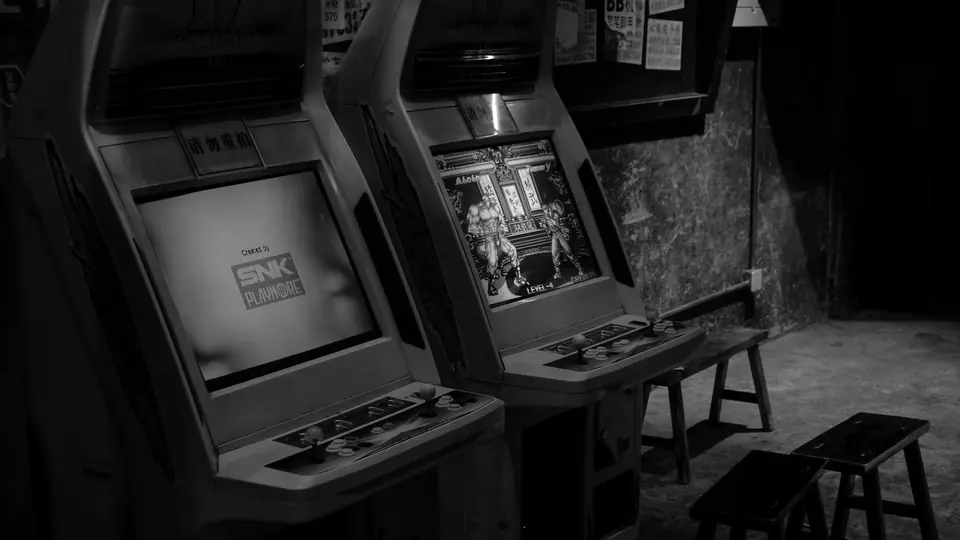
By the late 1980s, home consoles had pulled much of the crowd out of arcades, and Street Fighter II brought it back. The game is widely credited with reviving the arcade business in the early 1990s, and it did so by giving people a reason to be in the same room. A game against the machine can be played alone at home. A game against another person, with an audience, cannot.
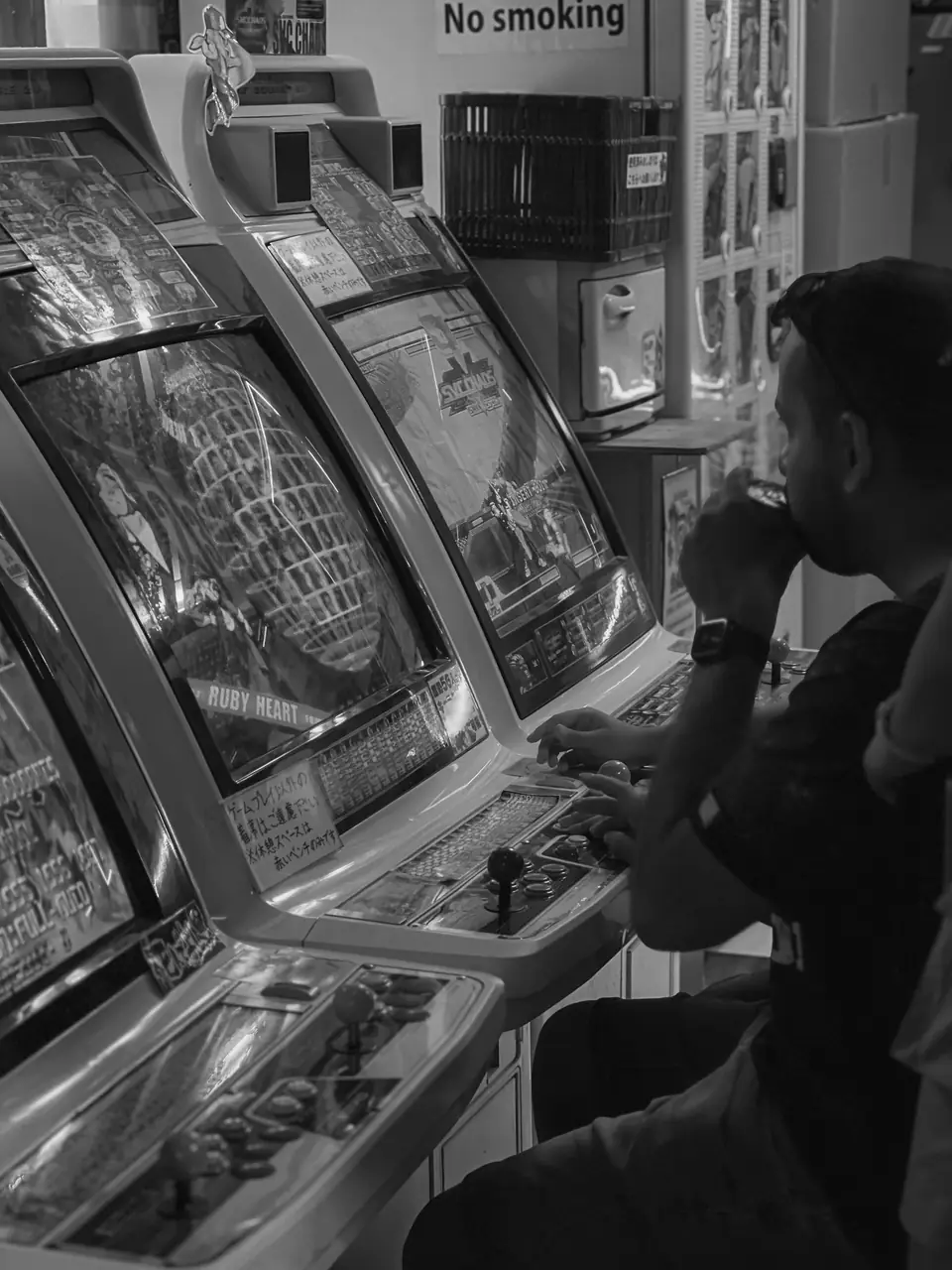
Crowds formed behind the players, and the crowds needed rules. The one everybody learned was the quarter: to claim the next game, you set your coin on the ledge under the screen and waited. The coin was a promise, and everybody at the machine could read it. Taking someone else’s place in that row was the fastest way to end a friendship, and coaching the person at the controls was nearly as bad. When you lost, you stepped aside, and the next coin went in.
The coin was a promise, and everybody at the machine could read it.
Nobody wrote these rules down, and nobody needed to. They were enforced by the people standing there, which made them unusually effective. A player who lost badly did it in front of witnesses, and the decent response, repeated thousands of times across thousands of arcades, was to shrug and put another quarter on the ledge. Whatever else the game taught, it taught a generation to lose in public without making a scene.
The mistake everyone kept
The combo, the chain of hits that an opponent cannot escape once it starts, was an accident. During a check for bugs on the bonus stage where players smash a car, producer Noritaka Funamizu noticed that the timing of a punch left room for a second hit before the first had finished. He recorded the sequence on tape, and the team saw that the hits could be chained. It judged the timing too difficult to matter and left the behavior in as a hidden feature.
Players found it anyway, and the combo became the grammar of every fighting game that followed. The episode says something about who controls a game once it leaves the studio. Capcom built a system and believed it understood it. The people who put their quarters on the ledge understood it better, and within a short time the designers were building sequels around what the players had found.
The copy that forced a sequel
The players pushed in rougher ways too. In 1992 a Taiwanese group released Rainbow Edition, an unlicensed modification of the official Champion Edition, which had arrived that March. The bootleg sent fireballs chasing players across the screen and let fighters throw special moves in midair, and in Brazil cheap bootleg cabinets spread it through bars and bus terminals. It was crude and unbalanced, and people played it because it was fast and strange.
Capcom answered with speed and polish. Street Fighter II Turbo: Hyper Fighting arrived in December 1992, faster than the original, and James Goddard, who worked on it, has said he played the bootleg and told Capcom it needed an update to compete. A pirated copy had shown the company what its audience wanted, and the company listened.
Losing well
Fighting games now live mostly online, where opponents are anonymous, the crowd is invisible and a player who is losing can simply disconnect. The skills are sharper than ever, and the tournaments are larger than the arcades ever were. What the online version cannot supply is the row of people behind you, which is what turned a fight into a social contract.
The arcade versions are easy to play now. The Street Fighter 30th Anniversary Collection, released in 2018, gathers the arcade versions of the series, including several editions of Street Fighter II. Learn one fighter before you learn eight, and start with Ryu, whose fireball needs only a quarter-circle forward on the stick and a punch. If you find a real cabinet, keep the old manners. Put your coin on the ledge, wait your turn in silence, and when you lose, say good game and step aside. It remains one of the more civilized things a video game ever asked of anyone.