
Essay
Buy the cartridge once.
At a time when games can vanish from a storefront overnight, an old cartridge is one of the few things a player still owns outright. The way to keep that advantage is to collect as a player rather than as an investor.
Written by CONTROL
This article runs 898 words and takes about four minutes to read.
On March 27, 2023, Nintendo stopped selling games through the eShops on the Wii U and the 3DS. People who had already paid could still download what they had bought, but everything else on those stores stopped being for sale, including older games that had been available nowhere else. A few months later, the Video Game History Foundation, working with the Software Preservation Network, published a study finding that 87 percent of classic games released in the United States before 2010 were out of print.
Against that background, an old cartridge looks less like nostalgia and more like a deed. It needs no account, no server and no license agreement. It plays today, and with a little care it will play in forty years. That is a rare kind of ownership in a medium that increasingly rents itself to us, and it is the best reason to collect at all.
The trap in the hobby
Retro collecting has the same trap as every other hobby, which is that buying starts to feel like playing. Once an old object has a price guide, some owners stop treating it as a game and start treating it as an asset, and a shelf of unplayed cartridges is not much different from a digital library you never open. The discipline that avoids this is dull and it works. Pick one console, the one you grew up with or the one you always wanted, and write down the ten games you genuinely want to play on it. That list is the whole collection until you have played through it. Set a monthly budget before you look at a single listing, and stop when it is spent.
Decide early, too, whether you want loose cartridges or complete copies with the box and manual. The second choice costs far more and plays exactly the same. People who choose it are buying a document of the past, which is a perfectly good thing to buy, as long as they know that is what they are doing.
Where to buy, and how to look
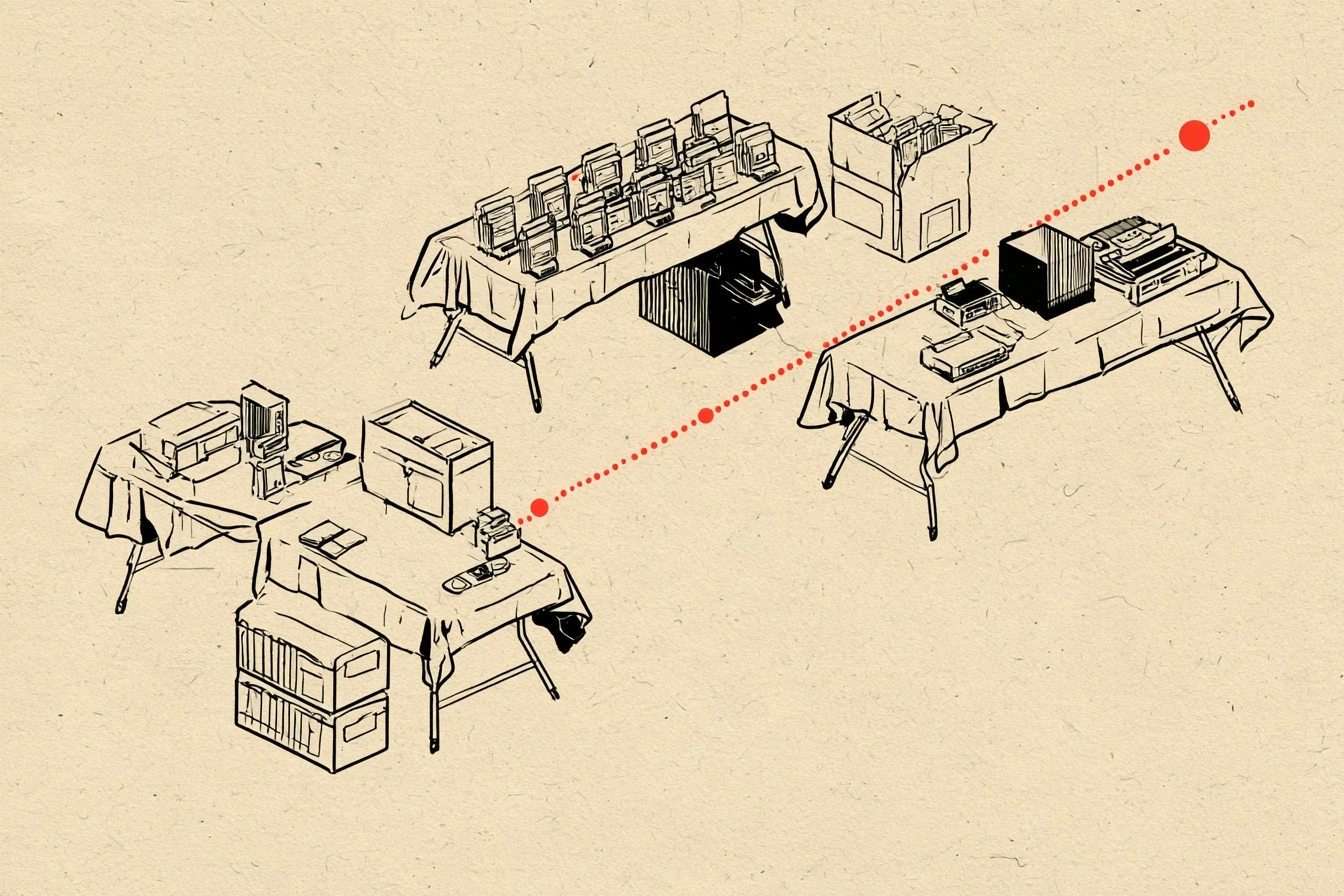
The best place to buy is a local game store with a console behind the counter, because you can watch the game boot before you pay. Conventions, flea markets and yard sales come next, and a list and a phone will tell you what you are looking at. Online, buy from sellers with long, specific feedback, and ask for photos of the label, the back and, on anything valuable, the circuit board inside. For a high-demand game, be wary of new listings shipping in bulk from overseas.
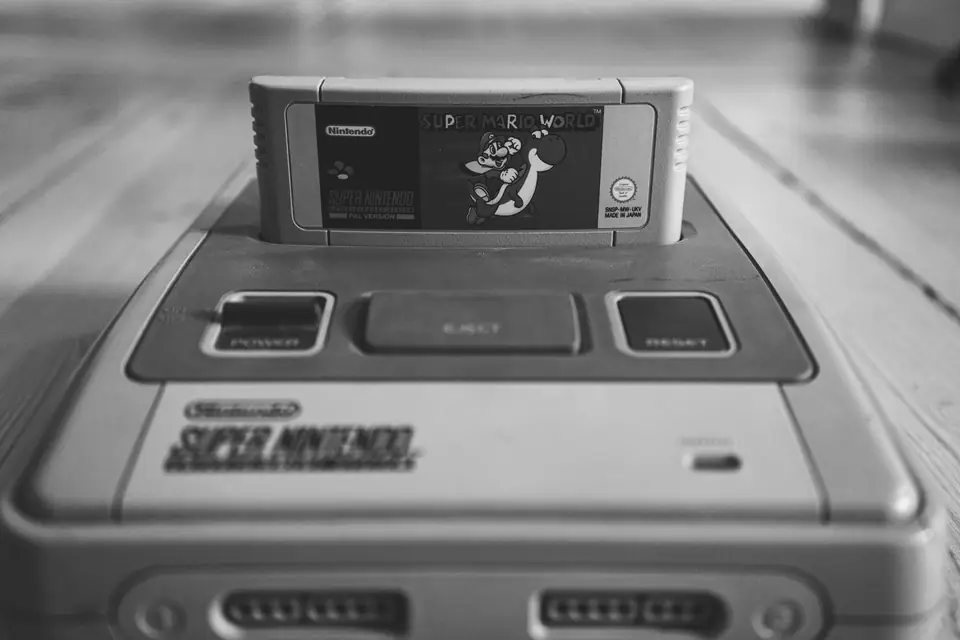
The reason is the reproduction, a copy built on an unofficial board and sold honestly by some sellers and dishonestly by others. Check the label first, since fakes tend to be blurry, too glossy or printed with the wrong product code. Turn the cartridge over and look at the screws, because Nintendo used metal security screws and some fakes use plain or plastic ones. The final answer is inside. A 3.8 mm gamebit driver opens NES, Super NES, N64 and Game Boy cartridges, and a genuine board carries Nintendo’s name and a year. A missing name, a board that looks painted rather than manufactured or a battery in a game that never needed one is a warning.
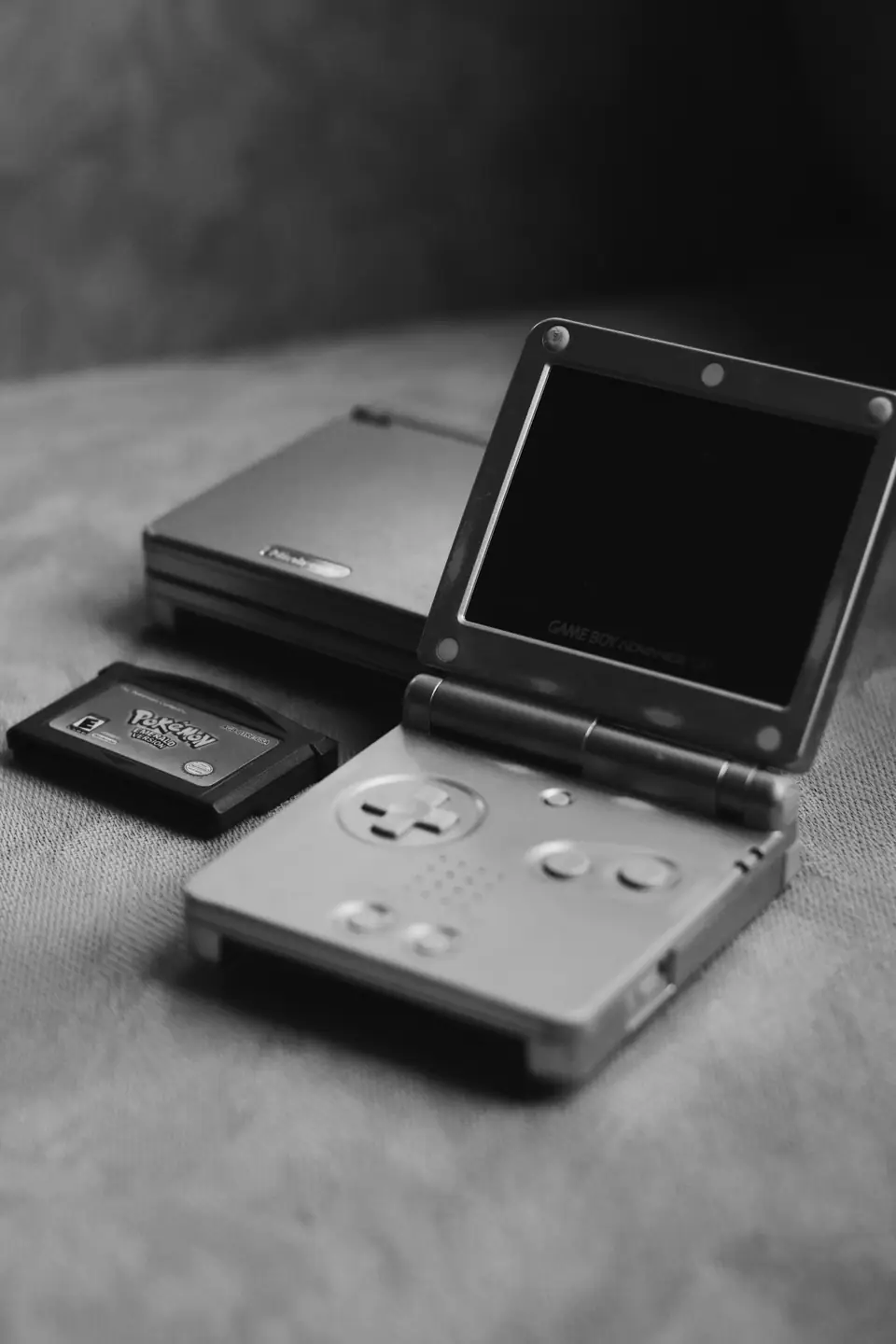
The games most worth faking are the ones everyone wants. Handheld Pokémon cartridges are the classic case, and fakes of them are common enough that dealers publish side-by-side guides. The rule that follows is simple. The more a seller wants for a game, the more you are entitled to see inside it. A seller who refuses to open it or to photograph the board has answered the question.

The more a seller wants for a game, the more you are entitled to see inside it.
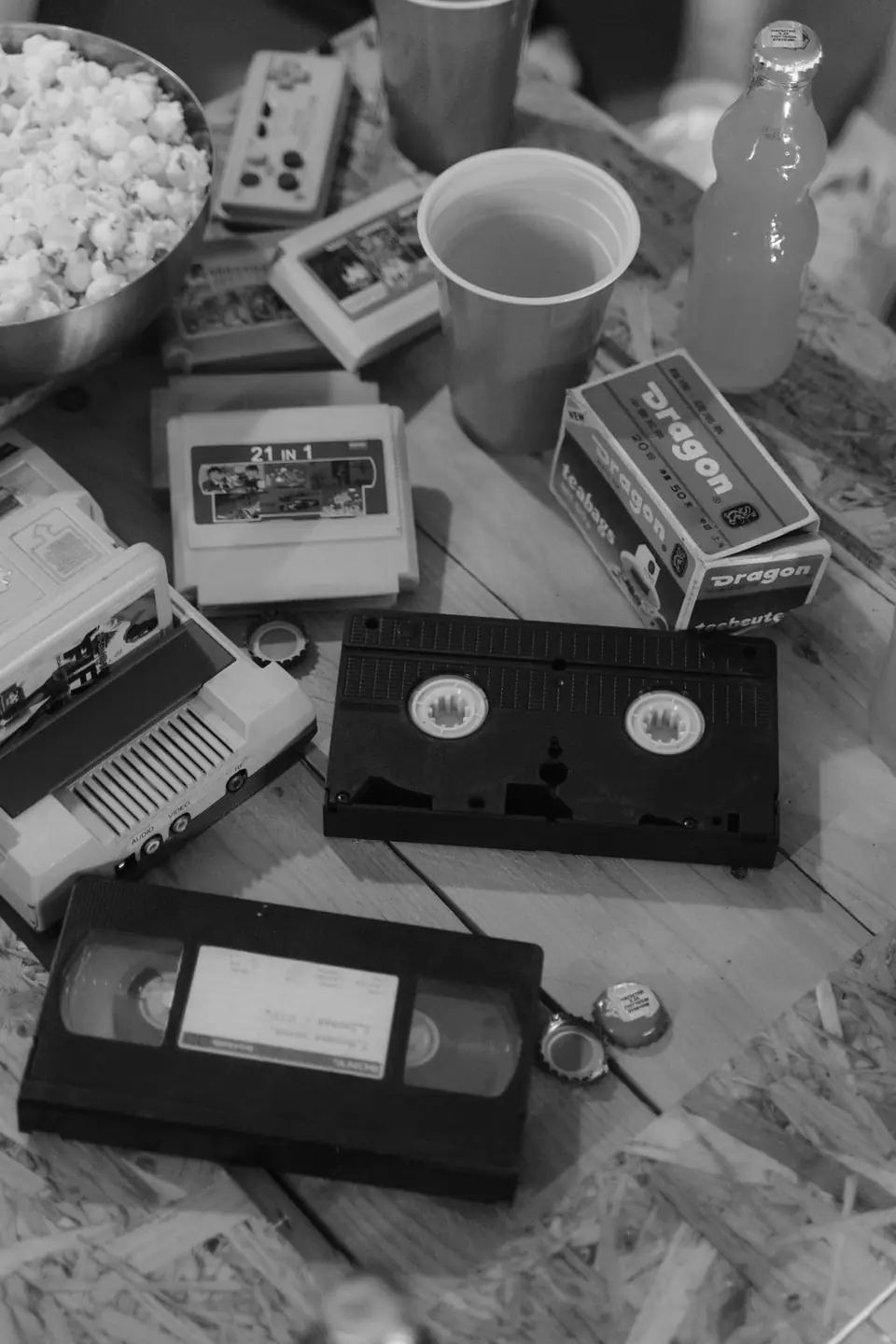
Care, including the myth
Stop blowing into cartridges. Nintendo told players not to do it, and the moisture in your breath speeds the corrosion that caused the problem in the first place. What actually worked, all those years ago, was pulling the cartridge out and seating it again. To clean contacts properly, wet a cotton swab with isopropyl alcohol of 90 percent or higher, scrub the metal edge until the swab comes away clean and let it dry fully before you plug it in. Weaker alcohol contains too much water for the job.
Keep games and consoles out of direct sunlight, which fades labels and yellows gray plastic, and away from attics, garages and damp basements. Store cartridges upright in dust covers or plain boxes, like books on a shelf. Games that save progress on the cartridge, such as The Legend of Zelda on the NES, run on a small internal battery that will eventually die. When it does, a repair shop can solder in a new one and the game will save again, although the old progress is usually lost unless someone backs it up first. Even a deed, it turns out, needs occasional upkeep.
A library, not a vault
The shelf that results is small, and it should be. Once a month, play something from it and clean one cartridge you have not touched in a while. Buy the next game only when you have finished the last one. A collection kept this way works every time, never has to be bought twice and cannot be switched off by anyone but you.