
Field Notes
Five meals to master.
Cooking without a recipe is less a talent than a handful of numbers learned by heart. Five dishes and one thermometer are enough to feed yourself, and eight guests, for the rest of your life.
Written by CONTROL
This article runs 1,006 words and takes about four minutes to read.
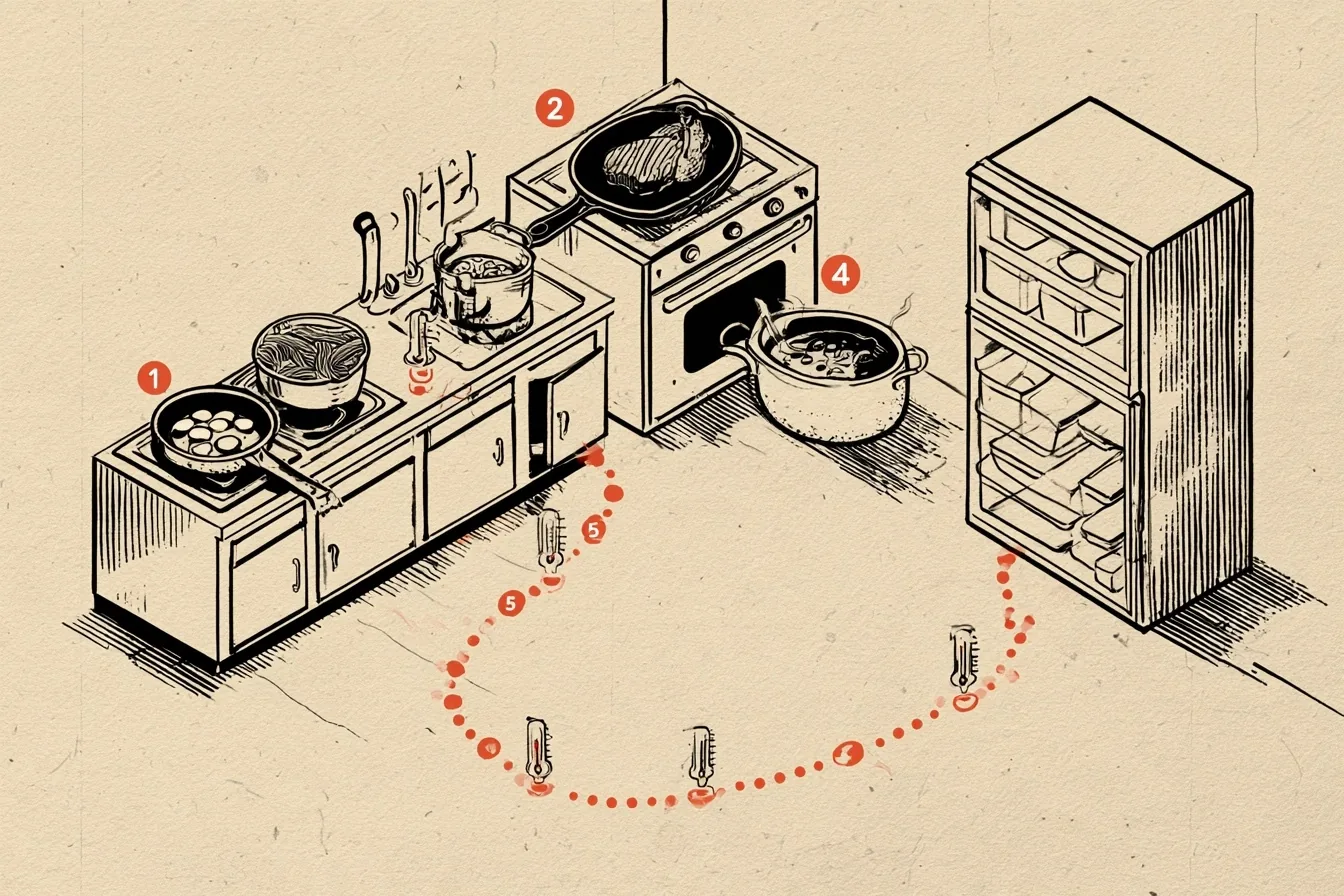
People who say they cannot cook usually mean something narrower. They mean they do not know when food is done, and so every dinner becomes a small act of faith, conducted by poking, squinting and cutting into the middle of a chicken breast to look. The cure is not a class or a shelf of cookbooks. It is five dishes, a heavy cast-iron pan, a Dutch oven and an instant-read thermometer, and the thermometer matters most, because it replaces a guess with a number. Every temperature below is the U.S. Department of Agriculture’s safe minimum, measured in the thickest part of the food.
The instrument that ends the argument
The case for the thermometer rests on a plain fact. Color is not a measurement. The USDA’s Food Safety and Inspection Service has reported that one hamburger in four can turn brown inside before it reaches a safe temperature. It also notes that properly cooked poultry can stay pink, because gases in a hot oven react with hemoglobin in the meat. The eye is wrong in both directions. A cook who trusts it will serve some food underdone and dry out the rest in self-defense.
Color is not a measurement.
Check the thermometer before trusting it. Fill a glass with ice, top it up with cold water, stir and wait a minute, then put the probe in the middle. It should read 32°F. If it does not, reset it according to the manufacturer’s instructions, or note the error and correct every reading by that amount.
Two quick dishes for weeknights
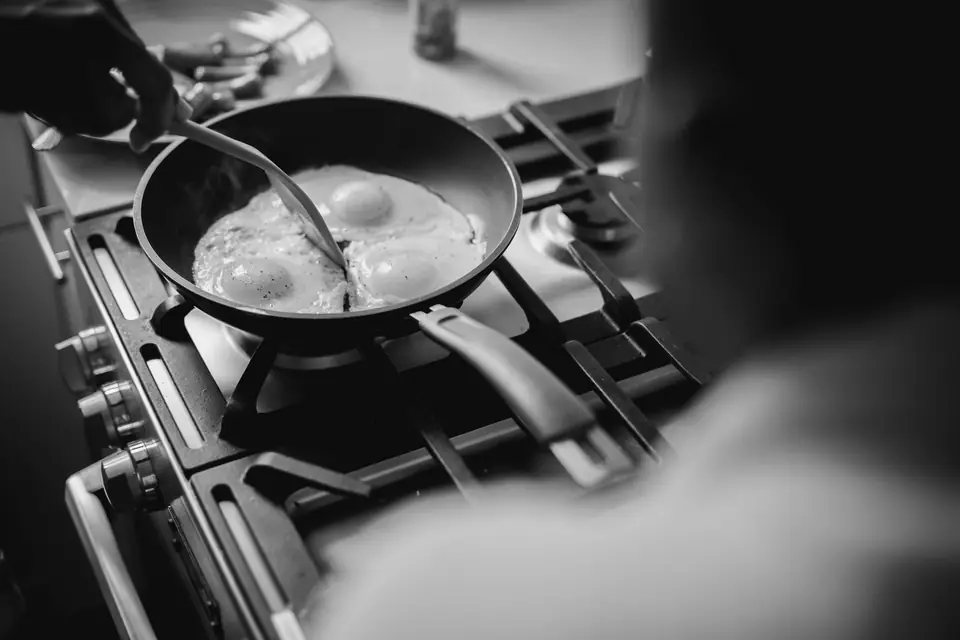
Eggs come first because they are fastest. Whisk three eggs with a pinch of salt and melt a tablespoon of butter in a nonstick pan over medium-low heat. Stir without stopping, pulling the curds in from the edges, for three to five minutes. The USDA advises cooking eggs until the whites and yolks are firm, so keep going until no liquid egg remains, then take the pan off the heat before the curds turn dry. For a soft scramble or a runny yolk, buy pasteurized eggs, which are the USDA’s answer for lightly cooked egg dishes.
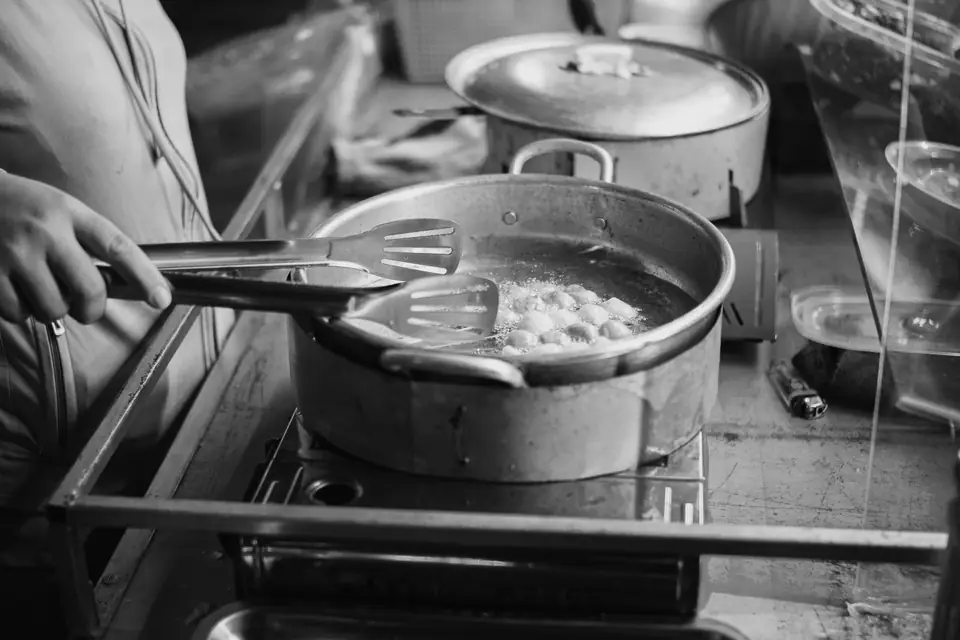
Pasta is the second. Boil four quarts of water per pound of pasta with one to two tablespoons of kosher salt. For the sauce, warm three sliced cloves of garlic in a quarter cup of olive oil over medium-low heat until pale gold, add a 28-ounce can of whole peeled tomatoes crushed by hand and simmer for twenty minutes. Pull the pasta two minutes before the packet time and keep a cup of the cooking water. Finish it in the sauce for those two minutes, adding splashes of water until the sauce clings and turns glossy.
Three slow dishes for the weekend
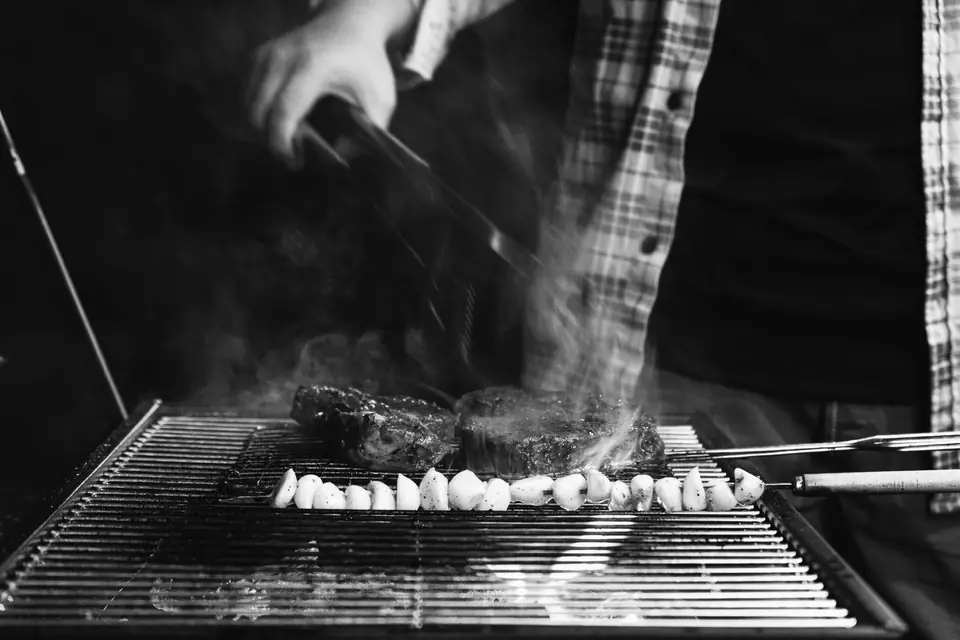
Buy a steak about an inch and a half thick. Salt it with about a teaspoon of kosher salt per pound at least 45 minutes ahead, or the night before, uncovered on a rack in the refrigerator. Pat it dry and heat the cast iron over high heat until a film of oil just begins to smoke. Lay the steak in and turn it every minute, which builds an even crust while the center cooks gently. In the last minute or two, add two tablespoons of butter, a crushed garlic clove and a few sprigs of thyme, and spoon the foaming butter over the top. The USDA’s safe minimum for steaks and other whole cuts of beef is 145°F followed by a three-minute rest, so take it off the heat when the center reads 145°F, rest it for three minutes and slice across the grain.
Salt a four-pound chicken all over and leave it uncovered in the refrigerator overnight, which dries the skin so it crisps. Roast it at 425°F for about an hour and a quarter. It is done when the thermometer reads 165°F in the thickest part of the breast and the thigh, without touching bone. Rest it for fifteen minutes before carving. Put the carcass in a pot with an onion, a carrot and a stick of celery, cover it with cold water and keep it at a bare simmer for three hours, and you have stock for the week.
The chili is the dish that feeds people. Brown two pounds of ground beef in the Dutch oven in two batches, because a crowded pot steams the meat gray instead of browning it. The USDA line for ground beef is 160°F, and a pot that simmers for an hour clears it with room to spare. Soften a chopped onion and four cloves of garlic in the fat for five to eight minutes. Stir in chili powder, cumin and oregano and cook them for a minute, since spices bloom in fat and taste flat in water. Add a can of tomatoes and two cans of drained beans, then simmer on low, partly covered, for at least an hour. It tastes better the next day.
What happens after dinner
The last number in home cooking is a clock rather than a temperature. The USDA’s rule is to refrigerate leftovers within two hours of cooking, or within one hour when the room is above 90°F, and to divide large batches into shallow containers so they cool quickly. Eat them within three to four days, and reheat them to 165°F, or bring soups and sauces to a rolling boil. Frozen, they stay safe indefinitely, although quality fades after three or four months. Smell is not a safety test, so when in doubt, throw it out.
That schedule shapes the week. Cook the chili or the chicken on Sunday and let it carry you to Wednesday. Freeze what you will not finish in labeled, dated containers. Make eggs on the nights you are tired and pasta on the nights you are not. None of this makes anyone a chef, and it does not need to. It makes dinner something you decide rather than something you order, and a thermometer in the drawer is the small tool that makes that decision reliable.