
Essay
Carry one camera.
We take more photographs than any people before us and look at fewer of them. The fix is less equipment and more editing, which means one camera, a few old rules and the discipline to print.
Written by CONTROL
This article runs 827 words and takes about four minutes to read.
In 1888 George Eastman began selling a box camera called the Kodak for $25. It came loaded with enough film for 100 exposures, and when the roll was finished the owner mailed the whole camera back to the factory in Rochester, New York, where the pictures were developed and printed and the camera was reloaded and returned. The advertising line was “You press the button, we do the rest.”
The phone finished what Eastman started. Pressing the button now costs nothing, and the rest happens instantly, invisibly and indefinitely. The part that disappeared along the way was the one Kodak did in Rochester, where someone chose what to print and put the results into a customer’s hands. Most of us now take thousands of photographs a year and look at almost none of them. The children, parents and friends in those pictures end up in a camera roll that nobody scrolls. The argument of this piece is that the problem is not the camera. It is that we kept the pressing and gave up the keeping.
The camera you carry
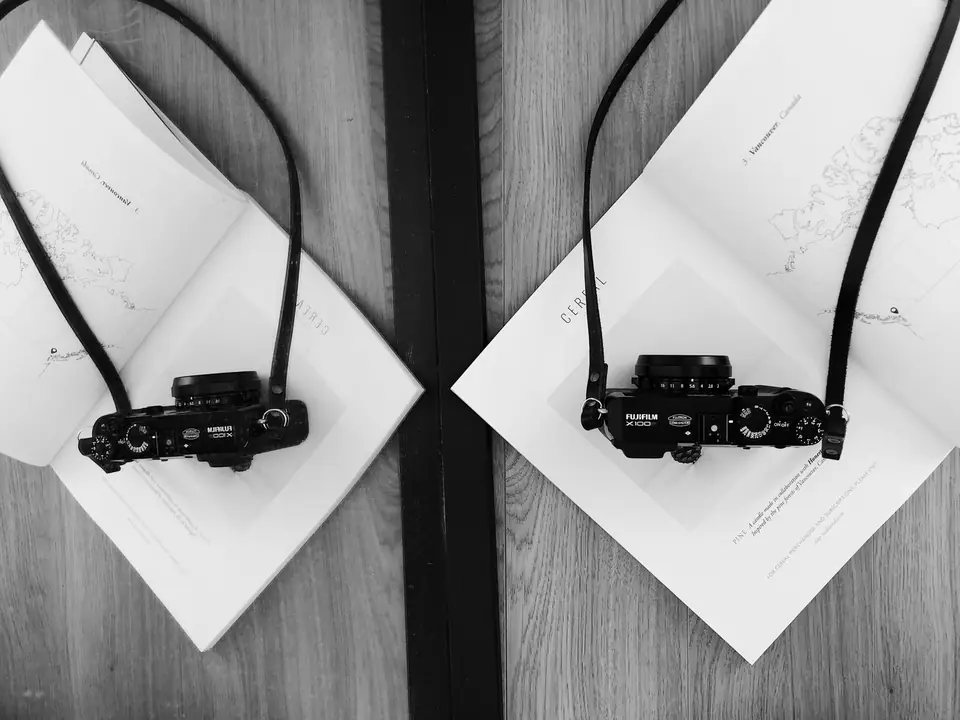
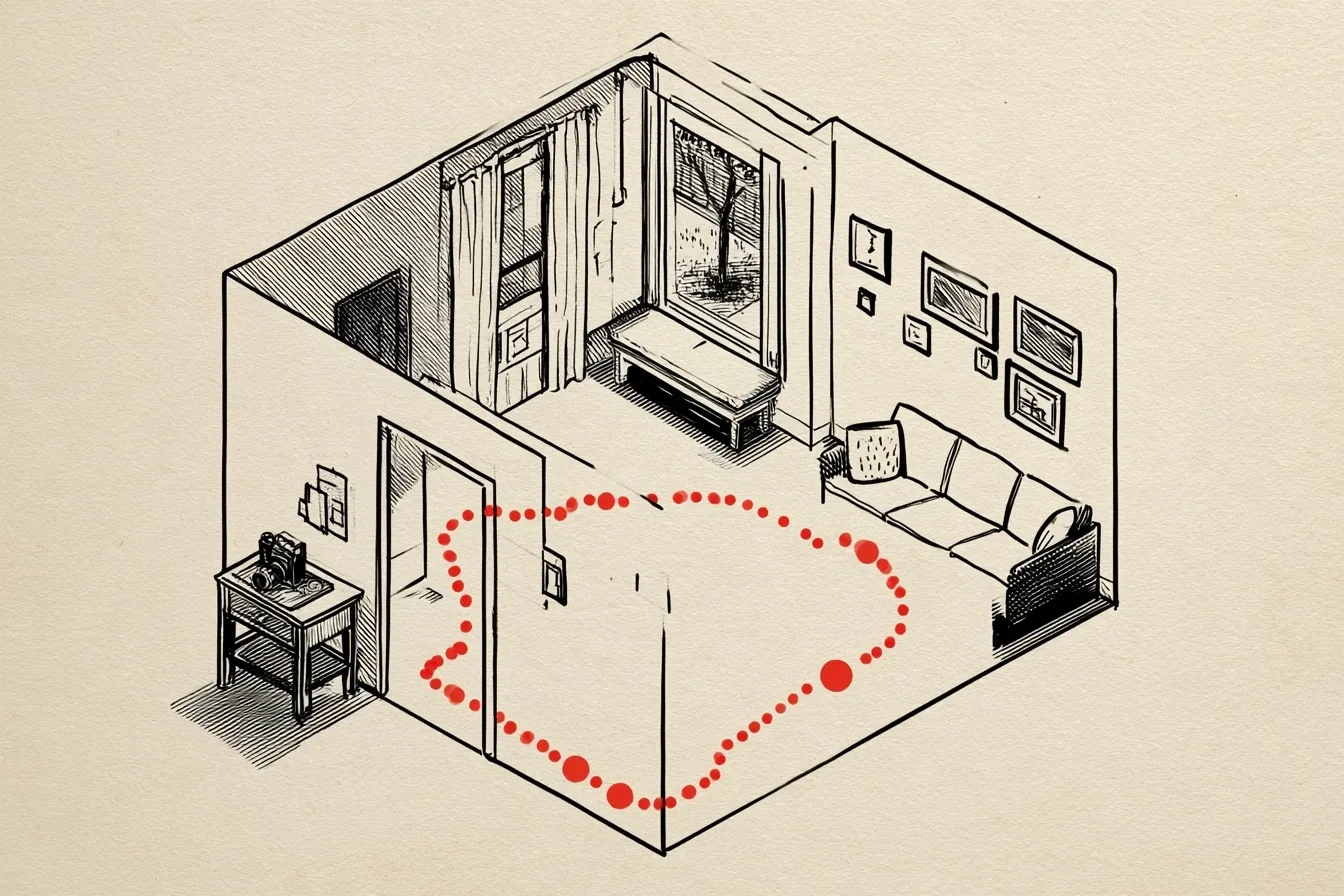
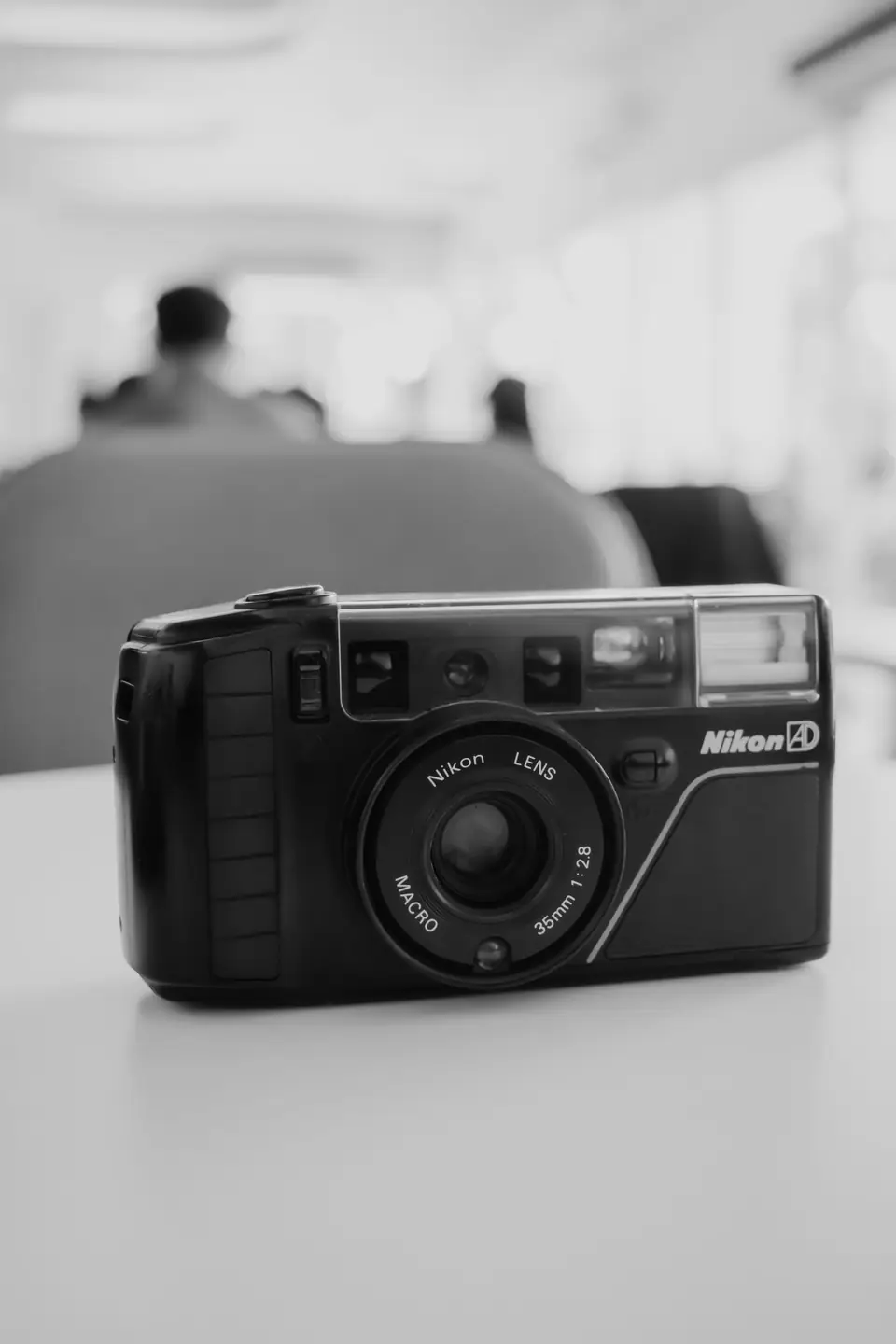
Your phone is already a good camera, and for most people it is the right one. If you want more, buy one dedicated camera with a single fixed lens or one interchangeable lens, and leave it on the hall table where you will see it on the way out. A camera in a closet takes no pictures.
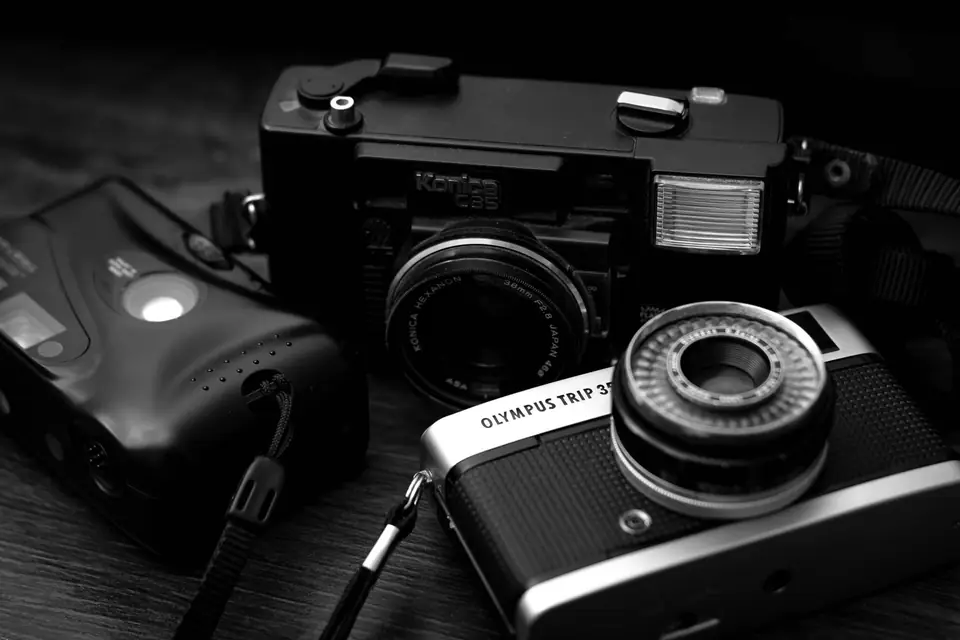
A camera in a closet takes no pictures.
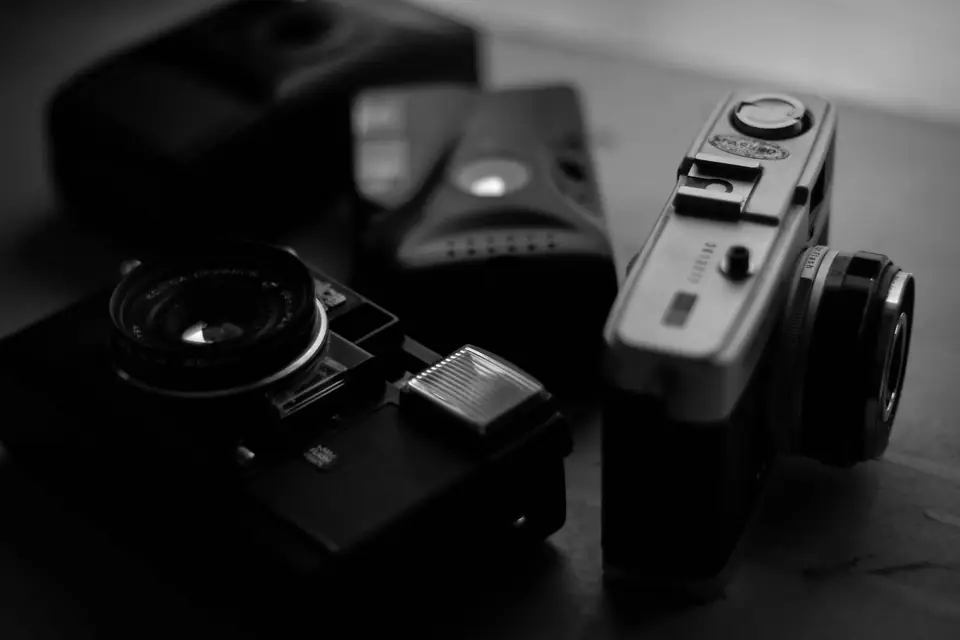
If the camera takes interchangeable lenses, start with one prime, which has a single focal length and no zoom. A 35mm or a 50mm lens on a full-frame body is the classic choice, and the 50mm is traditionally called a normal lens because it frames a scene much as the eye sees it. With no zoom to lean on, you learn to move your feet, and the pictures improve faster than they would with any upgrade.
Three rules for a year
Learn three rules and ignore the rest for a year. First, get closer. Most bad photographs are bad because the subject is too small, so take two steps forward and fill the frame with the face or the thing you care about. Second, use the rule of thirds. Imagine the frame divided into a grid of nine and put the subject on one of the lines rather than in the dead center; most phones will draw the grid for you once you turn it on in the camera settings.
Third, watch the light. Soft light from the side, such as a window on an overcast day, flatters faces and shows texture. Hard light from overhead at noon does neither, so move your subject into open shade or wait for the late afternoon.
On the phone, wipe the lens before you shoot, because a thumbprint turns every photograph into a haze. Avoid digital zoom, which only crops and enlarges the picture, and walk closer instead. Tap the screen to choose where the camera focuses. On an iPhone, touch and hold to lock focus and exposure, then slide a finger up or down to brighten or darken the frame before you take the picture.
Photographers who learned on film carried a rule called Sunny 16, which sets exposure without a light meter. On a bright, sunny day, set the aperture to f/16 and the shutter speed to the reciprocal of the ISO, which at ISO 100 means about 1/125 of a second, the nearest standard speed. It still works on any camera with manual controls, and an afternoon spent with it teaches more about light than a year in automatic mode.
Doing the rest yourself
The hard part of photography today is not taking the picture. It is the camera roll, which grows by the thousand until finding one good photograph takes ten minutes of scrolling. Every Sunday, spend ten minutes on the week’s pictures. Mark the best few as favorites and delete the blurry ones and the duplicates. Editing is where taste is formed, because it forces you to say which picture is better and why. A camera roll of ten thousand pictures is not an archive. It is a backlog, and nobody visits a backlog for pleasure.
Protect what is left with the 3-2-1 rule: keep three copies of your photographs on two different kinds of storage, with one copy somewhere other than your home. A phone, a cloud service and an external drive at the office will do it.
Then do the part Kodak used to do. On the first of every month, choose the five best photographs from the month before and order prints. Put them in an album or in a frame on the wall, and change the frame each season. A print is a decision that stays made. It hangs in the hallway where the people in it walk past every day, and it will be looked at more often than almost anything in the camera roll.