Essay
One watch.
A watch is the last device most people own that tells them one thing and asks for nothing in return. Choosing a single good one and keeping it for decades is a small exercise in owning a machine rather than lending it your attention.
Written by CONTROL
This article runs 998 words and takes about four minutes to read.
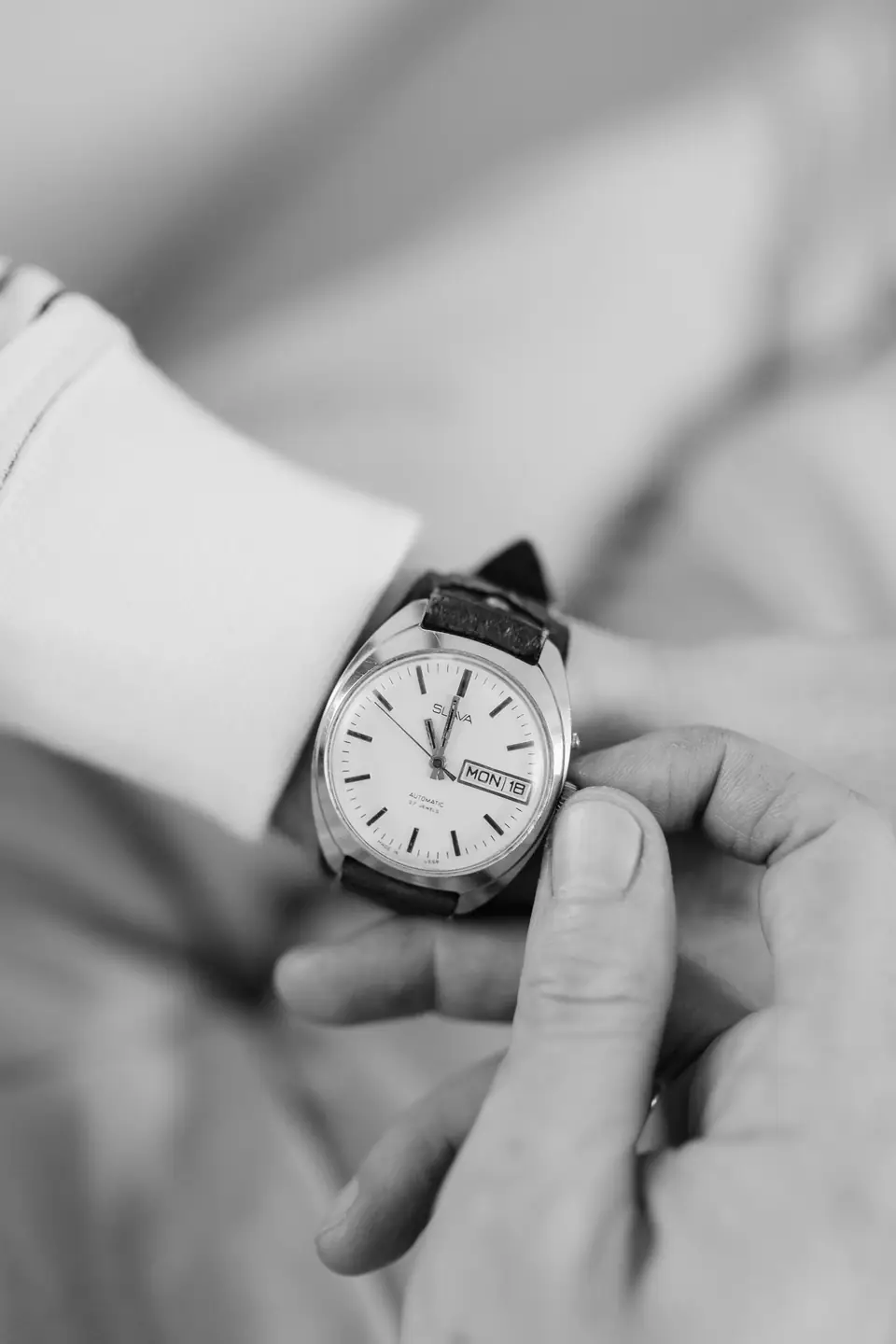
For most of the last century, a person owned one watch and wore it every day. The smartphone was supposed to end that habit, and for many people it did. Yet the phone has also made the plain watch more interesting, because a watch is now the rare object on the body that does not buzz, update or ask for anything. Check the time on a phone and the phone shows you everything else first. Check it on a wrist and you see the time.
That difference is the real argument for owning one good watch. It has little to do with nostalgia and a great deal to do with which machines are allowed to reach you. A watch answers only when it is asked, and it will still be answering long after the phone in your pocket has been replaced several times.
Three kinds of engine
There are three common movements, and each implies a different kind of ownership. An automatic winds itself from the motion of the wearer’s arm, needs no battery and can be serviced and passed on, but it trades some accuracy for its machinery. The Miyota 8215, which sits inside many affordable automatics, is rated by its maker at 20 seconds slow to 40 seconds fast per day, with a power reserve of about 42 hours. In practice that means checking it against a phone once a week, and it means the watch will stop if it sits on a nightstand for much more than a day and a half. A solar quartz charges from any light and can run for months in a drawer. A battery quartz is the most accurate of the three and needs a new cell every few years.
The choice is less about precision than about relationship. An automatic depends on its owner’s body, and left alone over a long weekend, it stops and has to be set again. Some people find that a nuisance. Others find it the point, because the watch keeps time only as long as they keep it company. The solar quartz is for people who would rather forget that the watch exists at all, which is its own kind of freedom.

The case for a field watch
If you own only one watch, the field watch makes the strongest case. The style comes from military issue, with a plain dial, large numerals, luminous hands, a sturdy case and a strap of leather or canvas. It reads at a glance in poor light and sits as easily under a shirt cuff as below a T-shirt sleeve. It was designed for people who needed the time and nothing else, which is exactly the quality the phone has made scarce.
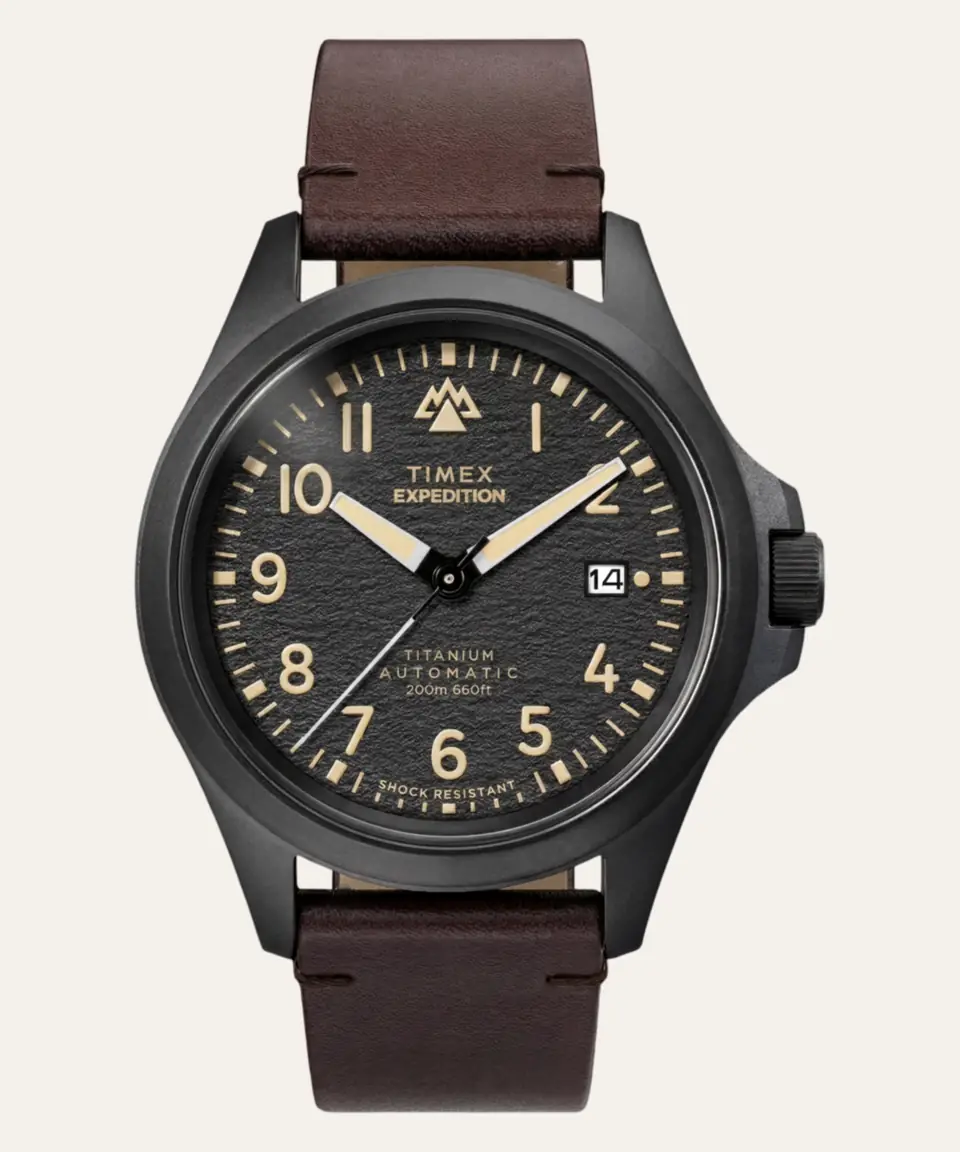
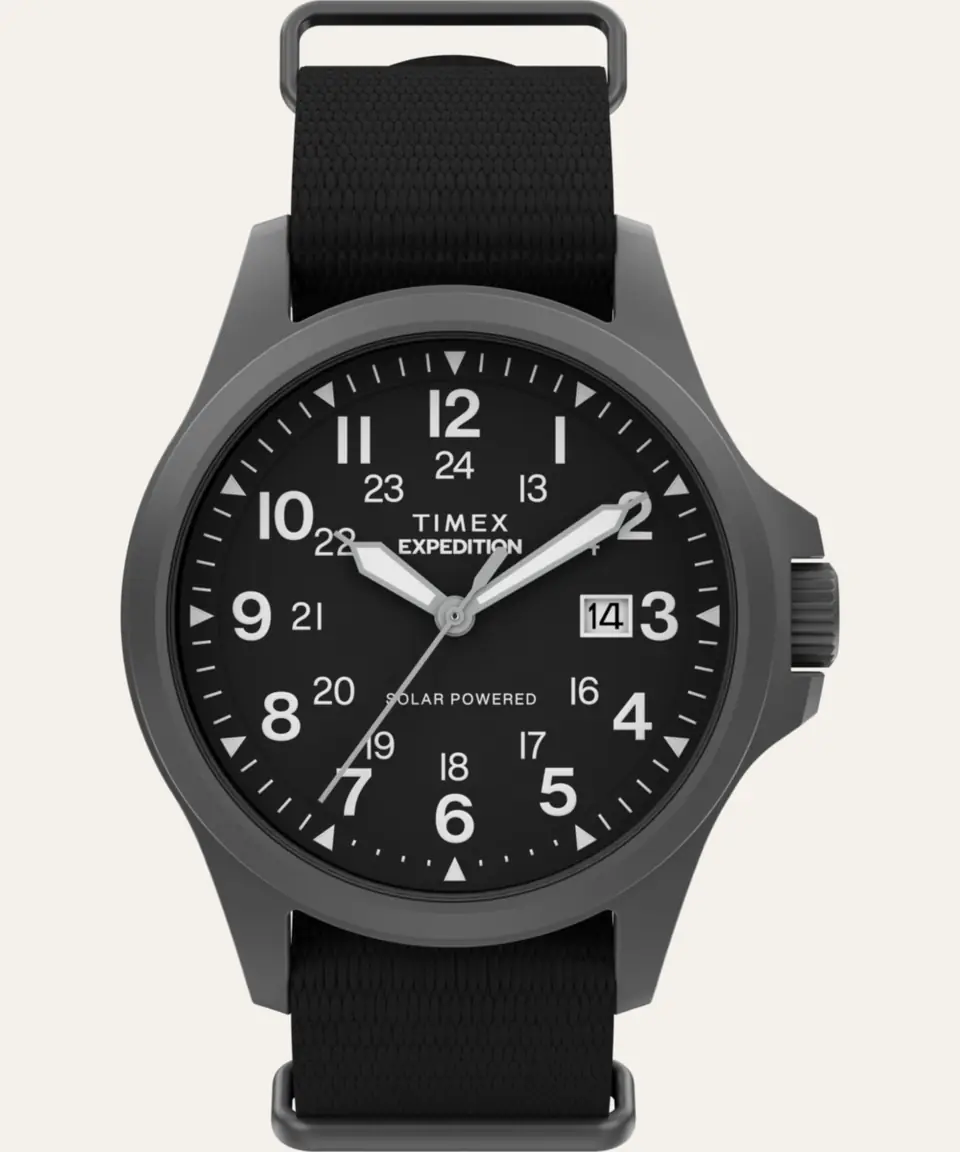
Our shop carries two versions of the Timex Expedition Field Post, both 41 millimeters across, with sapphire crystals and screw-down crowns. The titanium automatic costs $429, runs on the Miyota 8215 and is rated to 200 meters. The steel solar costs $209, is 12 millimeters thick, is rated to 100 meters and runs for up to four months on a full charge. The two share a face and differ in how much they ask of the wearer.
Size matters more than most buyers expect, and the number that decides it is not the diameter. Lug-to-lug length, the distance from the tips of the top lugs to the tips of the bottom lugs, has to be shorter than the flat top of your wrist, or the lugs hang over the edges. The titanium Timex measures 50 millimeters lug to lug, so measure your wrist with a ruler before buying. When in doubt, go smaller. A small watch looks deliberate, and a large one never stops looking large.
Two ways to break a good machine
Mechanical watches are rarely ruined by drama. They are ruined by two ordinary habits. The first concerns the date. Never change the date on a mechanical watch between about 9 p.m. and 3 a.m. On many movements the date wheel is already engaged in those hours, and forcing it can damage the mechanism. The safe routine is to move the hands to around six o’clock, set the date and then bring the time forward to the correct hour.
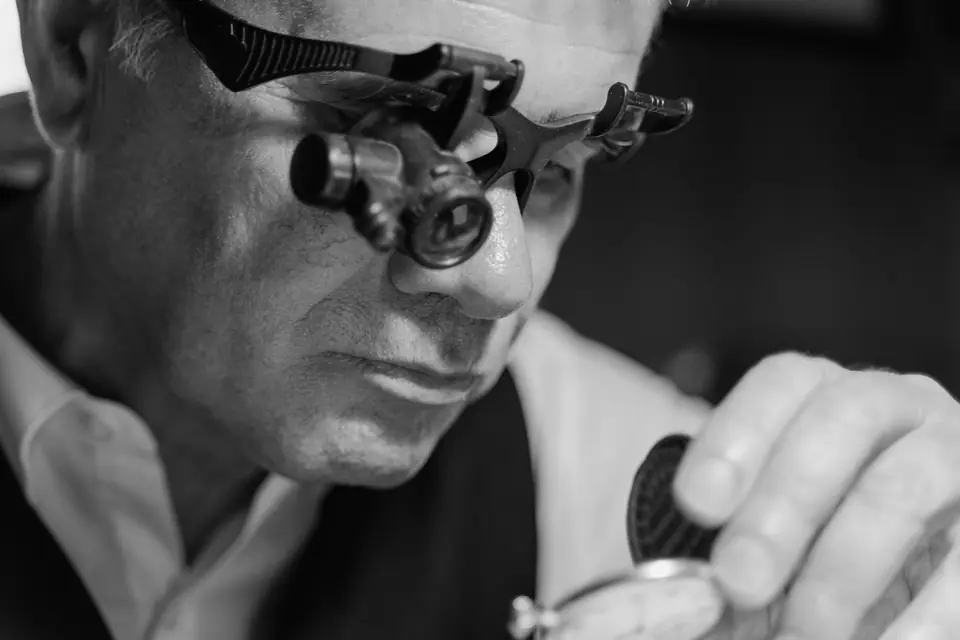
Never change the date on a mechanical watch between about 9 p.m. and 3 a.m.

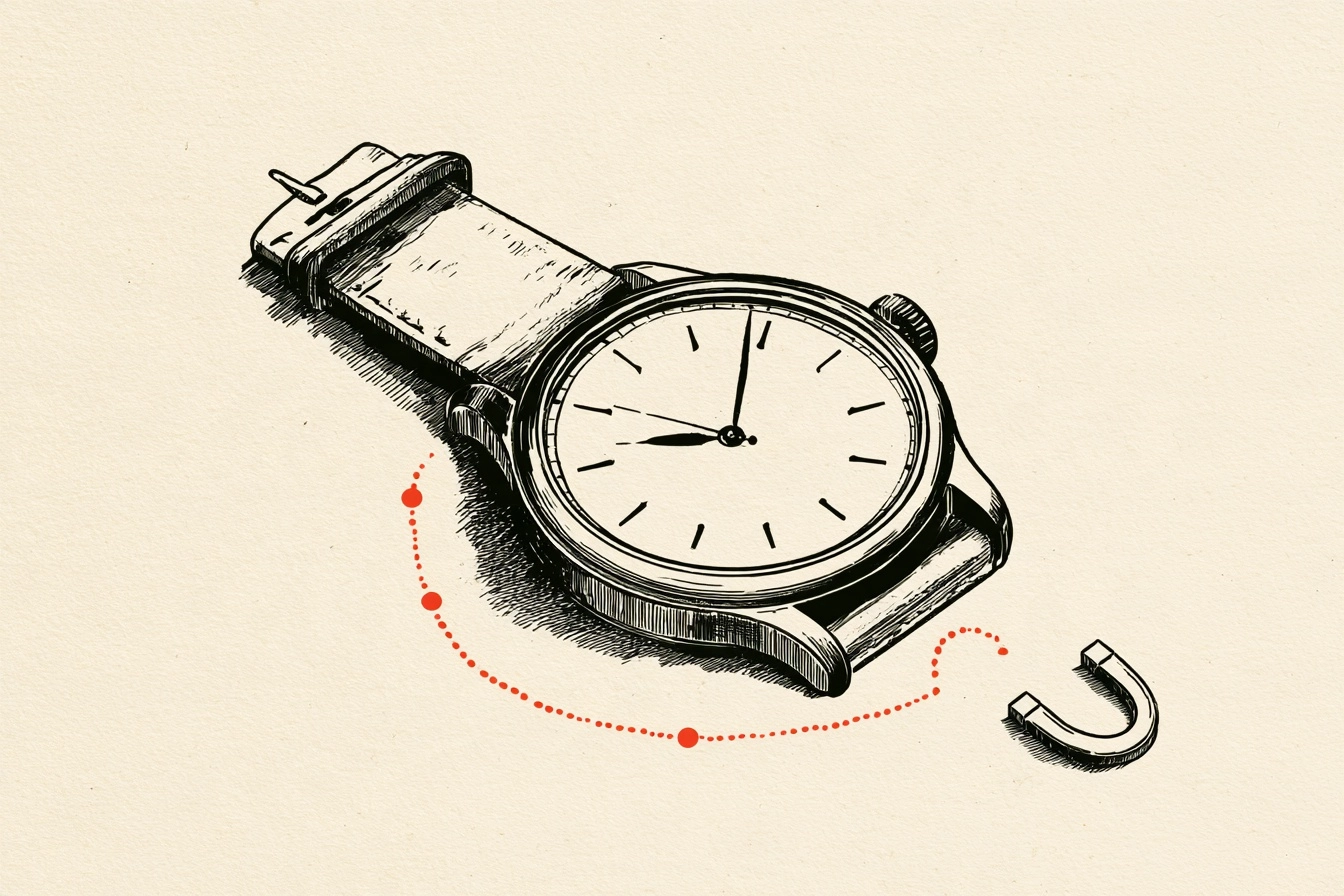
The second is magnetism. Laptop lids, speakers, tablet covers and magnetic phone mounts can magnetize the hairspring, and a magnetized automatic can suddenly start gaining minutes a day. Keep the watch off the laptop and away from speakers. If it begins running wildly fast, ask a watchmaker to demagnetize it before paying for a full service, because the fix takes a few minutes.
Two smaller facts complete the owner’s manual. Many movements, including the Miyota 8215, stop the seconds hand when the crown is pulled all the way out, which lets you set the watch to the second against a phone’s clock. And a water rating is a laboratory figure rather than a promise. A dial marked 30 meters is built for rain and hand-washing, not for a pool, and a screw-down crown only works if it has been screwed down before the watch gets wet.
What the scratches mean
Beyond that, a good watch asks for very little. Change the strap when it looks tired, have an automatic serviced on the schedule its maker recommends and let the case collect its scratches. Those marks are the one part of the watch that cannot be bought. Each one records a place where the watch was present, on a wrist, while its owner was doing something other than looking at a screen.
The phone will be traded in, wiped and forgotten. A watch that has been worn every day for twenty years becomes something else, a record of time that was lived rather than scrolled. That is a strange amount of meaning to ask of a small machine, but it is what a single watch, kept long enough, tends to provide.