
History
The disc.
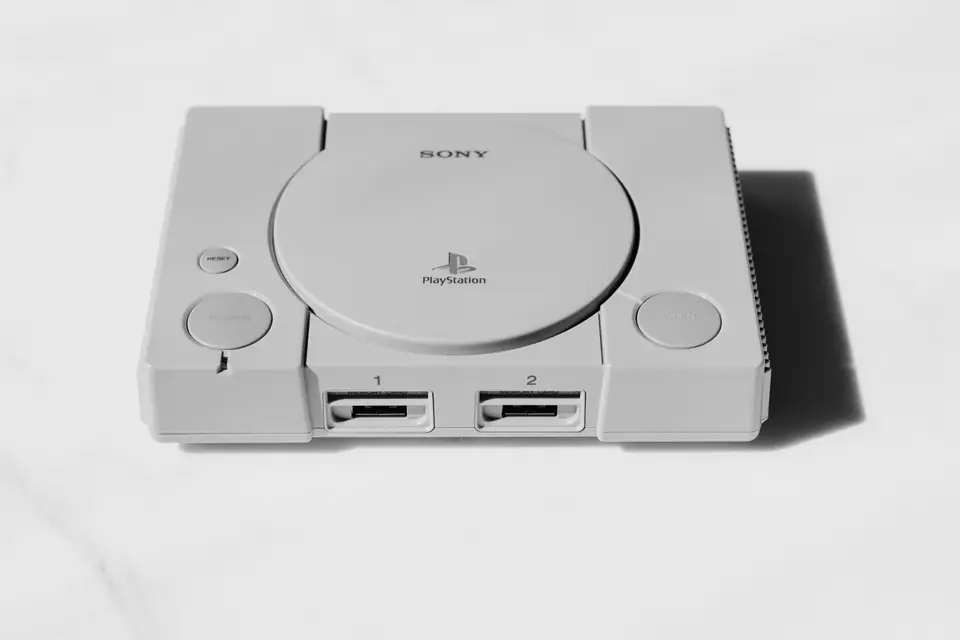
In 1991 Nintendo walked away from a deal with Sony to keep control of its own future, and Sony built a console out of what was left. The PlayStation is the story of what happens to the side that holds on too tightly.
Written by CONTROL
This article runs 842 words and takes about four minutes to read.
The most consequential decision in the history of home video games was made to protect a contract. By the end of the 1980s Nintendo held the console business so firmly that it set the terms for nearly every publisher that wanted to make games for its machines, and in 1991 it walked away from a partner that might have ended up holding too much. The partner was Sony, which had never built a game console. Within four years Sony had one on sale in Japan, and that machine became the first home console to ship more than 100 million units. The PlayStation is usually told as a story of ambition. It reads better as a story about control.
An engineer between two companies
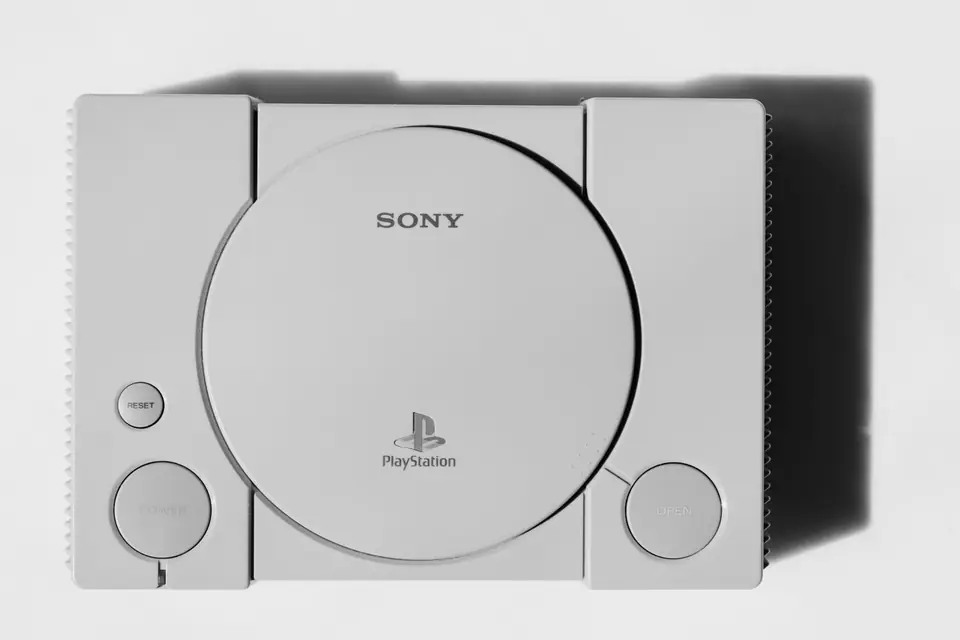
Ken Kutaragi was a Sony engineer who had already designed the sound chip inside Nintendo’s Super Famicom. In 1988 Nintendo signed Sony to build a CD-ROM drive for that console, and Sony gave the project a name, Play Station. The logic was plain. Sony knew discs, Nintendo knew games, and each needed what the other had. Hiroshi Yamauchi, Nintendo’s president, came to worry that the contract gave Sony too much control over the software, and for a company whose power rested on deciding what ran on its hardware, that was the one thing not worth sharing.
Chicago, June 1991
Sony arrived at the Consumer Electronics Show in Chicago in June 1991 ready to show the add-on. One day into the show, Nintendo announced a competing deal with Philips instead. The New York Times ran the headline “Nintendo-Philips deal is a slap at Sony.” Many executives at Sony already thought video games were beneath the company, and a public humiliation gave them every reason to file the idea away.
They did not get their way. Sony’s president, Norio Ohga, backed Kutaragi to build a console of Sony’s own, and the project moved under Sony Music, which knew how to press discs by the million. The detail is easy to pass over, and it explains most of what followed. Nintendo treated a game as a precious object, made slowly and guarded closely. The people now responsible for the PlayStation thought about a game the way a record label thinks about an album, as something to press cheaply, ship quickly and press again when it sold.
One number
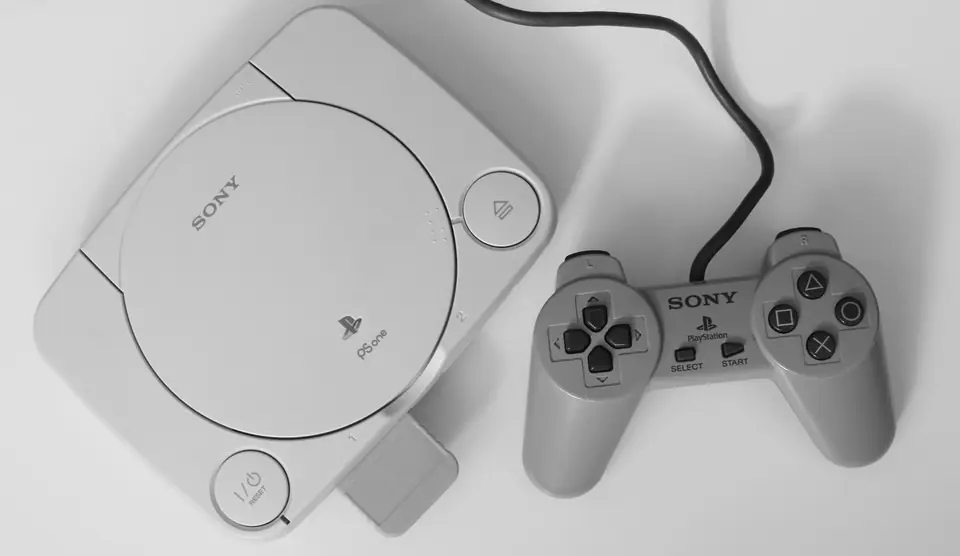
The PlayStation went on sale in Japan on December 3, 1994, for ¥39,800, and it sold 100,000 units on the first day. America was harder, because Sega was already there. At the first Electronic Entertainment Expo in Los Angeles in May 1995, Sega announced that its Saturn was already on sale at $399, a surprise launch that caught retailers and developers off guard. Then Sony’s Steve Race walked to the microphone, said “299” and walked off to applause.
Steve Race said one number and walked off, and the price war was over before it began. The PlayStation reached American stores on September 9, 1995, at $299, and nearly a million were sold by Christmas. A company that had been hired as a supplier four years earlier was now setting the price of the market.
Steve Race said one number and walked off, and the price war was over before it began.
What a disc could do
The format did the rest. A CD could be manufactured in about a week, while a cartridge took two to three months, and the disc cost far less per copy. That let Sony charge less for games and let publishers reorder a hit before it sold out. It also gave developers room, which mattered more every year as games filled with music, recorded voices and film. When Nintendo kept cartridges for the Nintendo 64, it kept their speed and their resistance to copying, and it gave up the space. Square took Final Fantasy VII to the PlayStation, and the balance of power moved with it.
The decision in Chicago and the decision to stay with the cartridge came from the same instinct. Nintendo wanted to hold the whole thing, from the software to the plastic around the chip. Sony, which had arrived as a contractor, was content to hold less and sell more. The PlayStation finished its run at 102.49 million units. The Nintendo 64, the machine Nintendo built instead, finished at 32.93 million.
The prototype in the auction lot
The Nintendo PlayStation was never sold, but it was not destroyed. A prototype turned up in 2015 in the hands of Terry Diebold, who had acquired it in the 2009 bankruptcy auction of a company called Advanta. It had been left there by Olaf Olafsson, a former head of Sony’s game business in America. In 2020 it sold at Heritage Auctions for $360,000.
It is a gray box with a cartridge slot on top and a disc tray in front, and it looks like what it was, a compromise between two companies that each wanted the final word. The buyer paid a collector’s price for a curiosity. Nintendo paid for it with the better part of a decade.