
Reported
Just in case.
Emergency preparedness is usually sold as fear, but the official advice is modest, inexpensive and mostly about upkeep. A shelf of supplies, a backpack by the door and two dates a year cover most of what a household can control.
Written by CONTROL
This article runs 873 words and takes about four minutes to read.
Preparedness has an image problem. It suggests bunkers, camouflage and a certain kind of person who seems to be looking forward to the end of the world. The official advice is nothing like that. The American Red Cross and Ready.gov, the federal government’s preparedness site, describe something closer to good housekeeping: a store of water and food, a few tools and a plan that everyone in the home knows. The goal is to be the household that is merely inconvenienced when the power goes out for four days or when someone knocks on the door and says it is time to leave.
The Red Cross reduces the whole thing to two numbers. It recommends a two-week supply of water and food for sheltering at home and a three-day supply for evacuation. Everything else follows from those figures, and so does the one part of the job that most households forget, which is keeping the supplies from quietly expiring.
The shelf at home
Water comes first. Both the Red Cross and Ready.gov call for one gallon per person per day, which covers drinking and basic sanitation. For two weeks, a household of two needs 28 gallons, so buy sealed jugs and store them in a cool, dark place away from chemicals. Add two weeks of non-perishable food that you already eat, such as canned beans, soup, tuna, peanut butter and oats, along with a manual can opener.
None of this requires special equipment or special food. The supplies that work best are the ones a household already likes, because they get eaten and replaced in the ordinary course of things rather than sitting untouched for a decade. A pantry that turns over on its own is a kit that partly maintains itself.
Round out the home supply with a flashlight for each person, extra batteries, a battery-powered or hand-crank radio and a first aid kit. Put everything on one shelf or in two plastic bins, and write the date on the lid.

The bag by the door
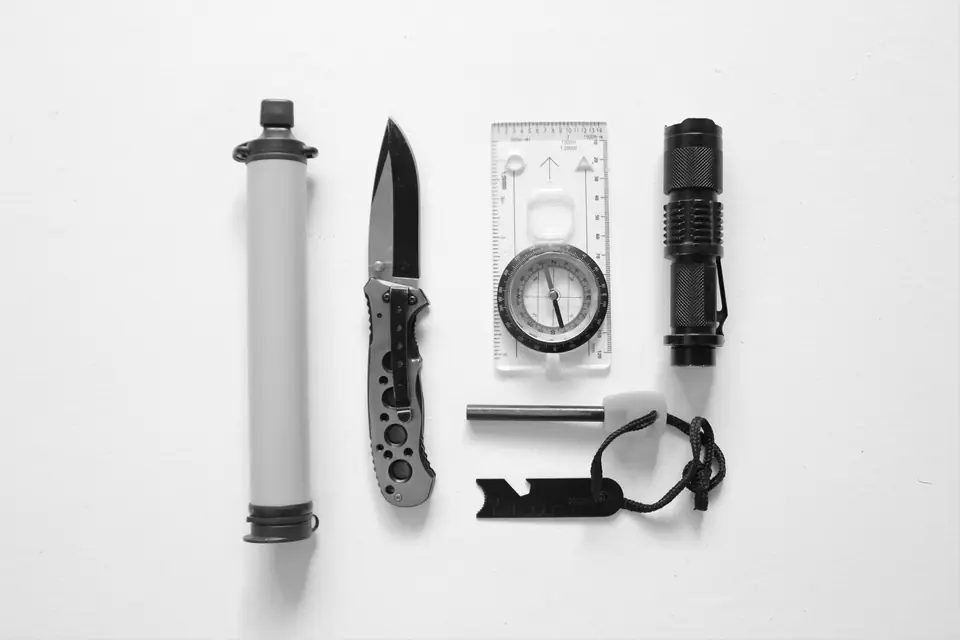
The evacuation bag is the three-day version, packed in a backpack. The Red Cross list includes water and non-perishable food, a flashlight, a radio, extra batteries, a first aid kit, a multi-purpose tool and at least a seven-day supply of any medications. It adds sanitation and hygiene items, copies of personal documents, a cell phone with chargers, emergency contact information, extra cash, an emergency blanket and maps of the area.
Water is heavy. A gallon weighs a little over eight pounds, so three days of water for one person comes to about 25 pounds before anything else goes into the bag. Pack what you can lift and carry comfortably, and keep the rest of the water where the car can reach it.
Three places, not one
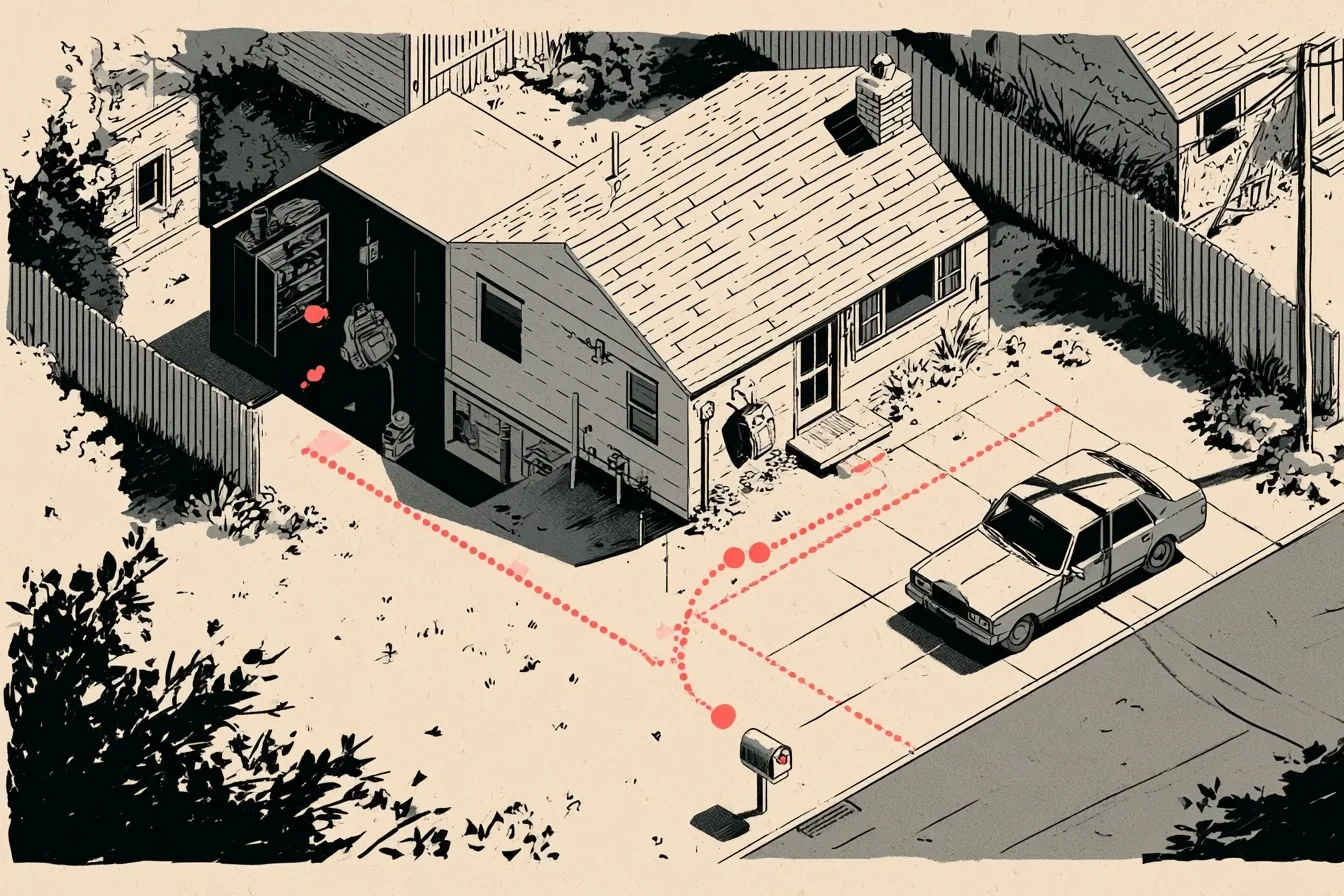
Emergencies do not wait for anyone to get home, and Ready.gov suggests keeping supplies in three places: at home, at work and in the car. It advises being ready to shelter at work for at least 24 hours, with food, water, any medicines and comfortable walking shoes. The car kit is meant for being stranded, and a blanket, jumper cables and a phone charger cover the basics.
Ready.gov’s basic kit also lists a wrench or pliers, for one specific reason, which is turning off utilities. Find the main water shutoff and the gas meter valve this weekend, and if the gas valve needs a wrench, keep one near it. Close the gas only if you smell gas or are told to. Emergency agencies warn that once the gas has been turned off, a trained person has to turn it back on.
The most useful thing in the kit is knowing where the shutoff valves are before you need them.


The kit that quietly expires
The hard part is not building a kit. It is the second year, when the flashlight batteries have leaked, the water tastes of plastic, the medication has expired and the cash was borrowed for a pizza. A kit that is built once and never checked offers false comfort, which can be worse than none, because it lets a household believe a problem is solved.
Ready.gov advises replacing expired items as needed and rethinking your needs every year as the household changes. The simplest way to honor that is to choose two weekends six months apart and put them in the calendar as repeating events. On each one, test every flashlight, swap the batteries, eat the food that is close to its date and replace it, and update the copies of documents and the list of phone numbers.
The plan behind the supplies
The last part of the kit costs nothing. Make sure everyone in the household knows where the bag is and where to meet if you are separated, and choose one person outside the area whom everyone will call. Supplies help only if the people who need them can find each other.
The most useful thing in the kit is knowing where the shutoff valves are before you need them. After that, leave the bag by the door and get on with life. The point of preparing is not to live in a state of emergency. It is to be able to stop thinking about one.