
Criticism
The twenty.
These are the twenty games and machines that changed what came after them, from Pong to the Switch. The list is an argument about influence rather than quality, and read in order it shows the player being handed a little more control at every step.
Written by CONTROL
This article runs 1,223 words and takes about five minutes to read.
Lists of the best games tend to be lists of what their authors played at fourteen. This one tries to answer a narrower question, which is what changed the medium. Some entries are machines, because a console decides what games can be made and who gets to play them. The order is chronological, because ranking Tetris against a television set is a fight nobody wins. Read in sequence, the twenty tell one story. Each step handed the player a little more control, over where to go, whom to play with and finally what the world was made of, and each step found a larger audience than the last.
The arcade learns to charge admission
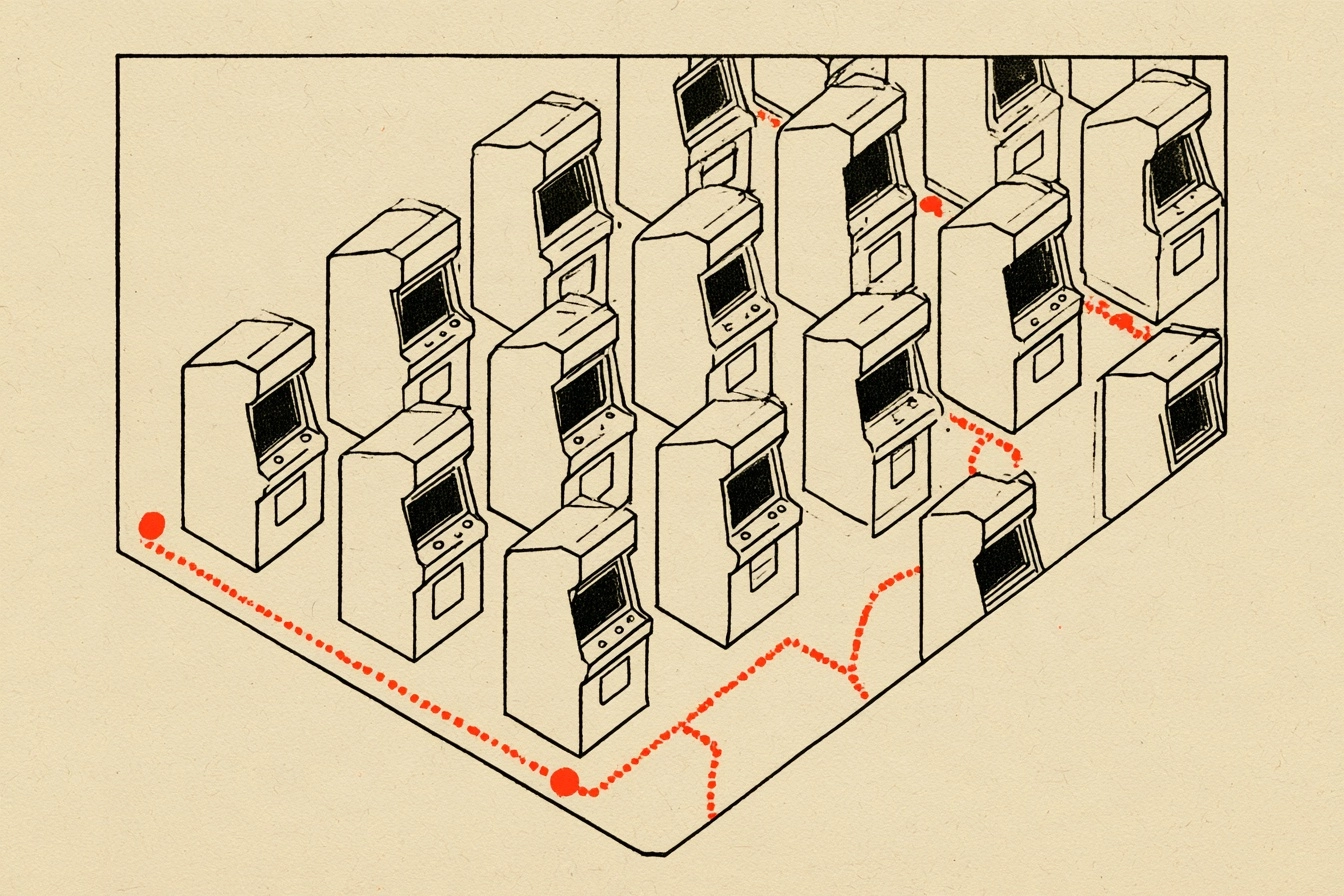
1. Atari’s Pong (1972) began as a training exercise for Allan Alcorn, and its lasting lesson was commercial rather than artistic. It showed that a coin slot and two paddles could be a business, and everything else on this list stands on that discovery.
2. The Atari VCS, later renamed the 2600 (1977), was not the first home console. Its interchangeable cartridges made the console a platform rather than a single game, which is the idea every machine below inherits. It sold about 30 million units and put the arcade in the den.
3. Taito’s Space Invaders (1978), designed by Tomohiro Nishikado, gave the player an enemy that fought back and a high score worth defending. The score was the quieter invention, because it turned a private contest with a machine into a public one with strangers. It made the arcade a place people went on purpose.
4. Namco’s Pac-Man (1980) was Toru Iwatani’s correction to a room full of spaceships. He gave the game a character, and people who had never touched a joystick lined up to play it. It proved that a game could have a mascot and a mass audience, and the industry has chased both ever since.
5. Nintendo’s Donkey Kong (1981) was Shigeru Miyamoto’s first hit, and its carpenter hero, then called Jumpman, later became Mario. Its deeper achievement was economy. It told a story in four screens without a word of dialogue, which is more than many games manage with hours of it.
6. Tetris (1984) came from Alexey Pajitnov, a programmer at a Moscow computing center, and it remains a model of how little a game needs. Counting every version, it has sold more than 500 million copies, and it still does not need a tutorial. Its genius is that the player’s control is total and never quite enough.
The living room takes over
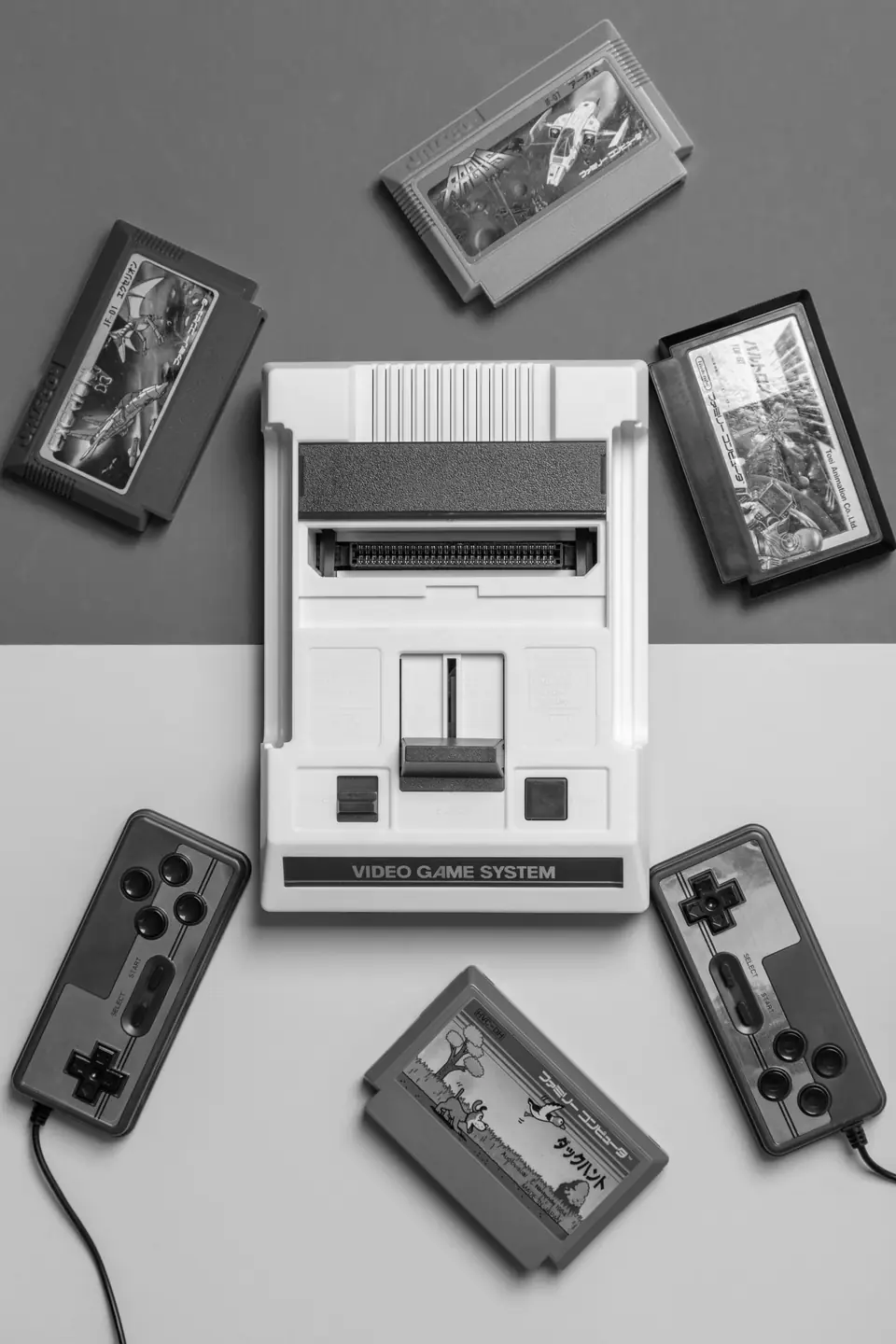
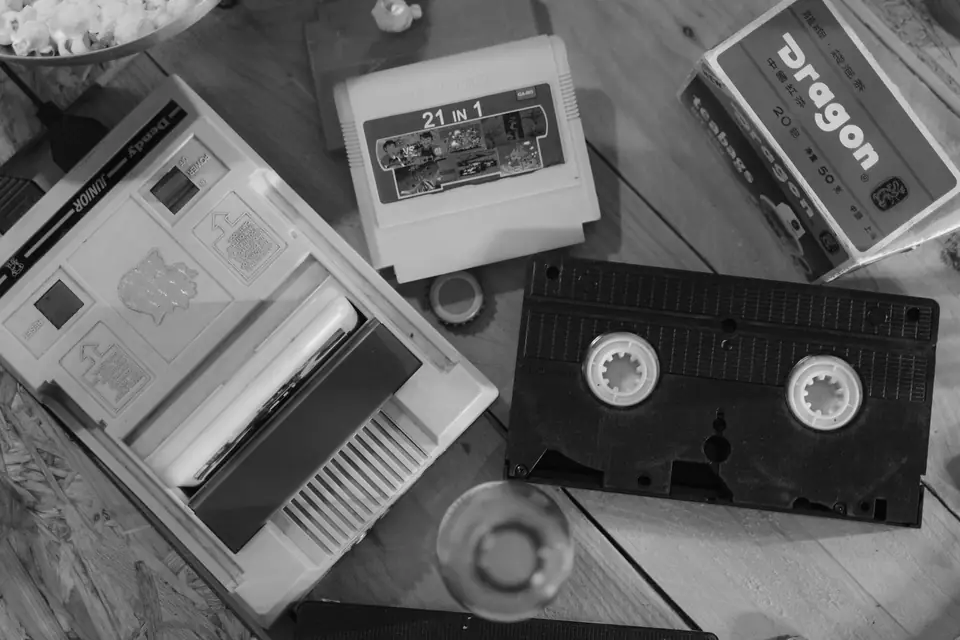
7. The Nintendo Entertainment System (1985) reached America two years after the video game crash, sold as an entertainment system with a robot so that stores would agree to stock it. It rebuilt the home console business almost single-handedly, and it did so by deciding which games reached its shelves, a habit Nintendo kept long after the crash was forgotten.
8. Nintendo’s Super Mario Bros. (1985) taught a generation how a game should feel, from the weight of a jump to the timing of a run. More than 58 million copies later, World 1-1 is still how designers teach their craft, because it teaches the player everything without saying anything.
9. Nintendo’s The Legend of Zelda (1986) dropped the player into an open world with a wooden sword and no directions, and it trusted that player to find the way. Its North American cartridge was one of the first to carry a battery that saved progress, which made a game you could live in for months. Every open world since is a more expensive version of the same trust.
10. Nintendo’s Game Boy (1989) had a green screen and a battery life that embarrassed its color rivals, and it came with Tetris in North America. It made games portable for good, and it is the best case on this list that a machine can win by what it leaves out.
11. Capcom’s Street Fighter II (1991) turned the arcade into a tournament, with eight fighters, hidden combinations and strangers lining up quarters on the glass. Fighting games still speak its grammar. What it really sold was the chance to be known in a room.
12. id Software’s Doom (1993) set the rules for the first-person shooter, spread as free shareware and invented the deathmatch. Its files were open enough that players built their own levels. It treated its audience as collaborators, and they never stopped building.
13. Sony’s PlayStation (1994) put games on compact discs and marketed them to adults. It sold more than 100 million units and moved the center of the business away from Nintendo for a decade.
Three dimensions, a network and a world of blocks
14. Nintendo’s Super Mario 64 (1996) solved movement and the camera in three dimensions on the first try. Almost every third-person game since has borrowed its answers, and not many have improved on them.
15. Game Freak’s Pokémon Red and Green (1996) began with Satoshi Tajiri, a lifelong insect collector. The link cable was a wire for connecting two Game Boys, and one man saw bugs crawling across it. The result made trading the point of the game, and it grew into the largest media franchise in the world. It is the rare hit built around a relationship between two players rather than a contest.
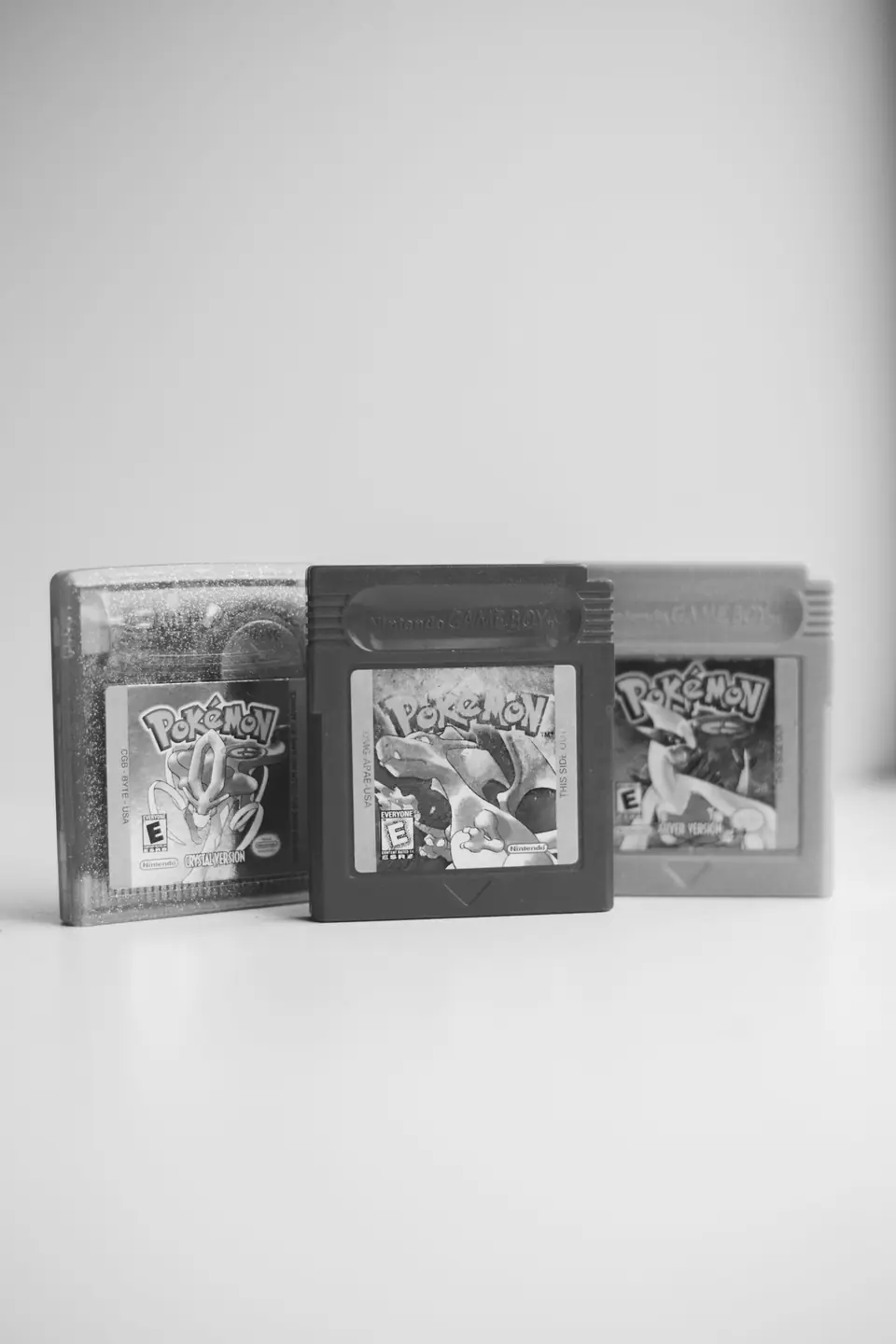
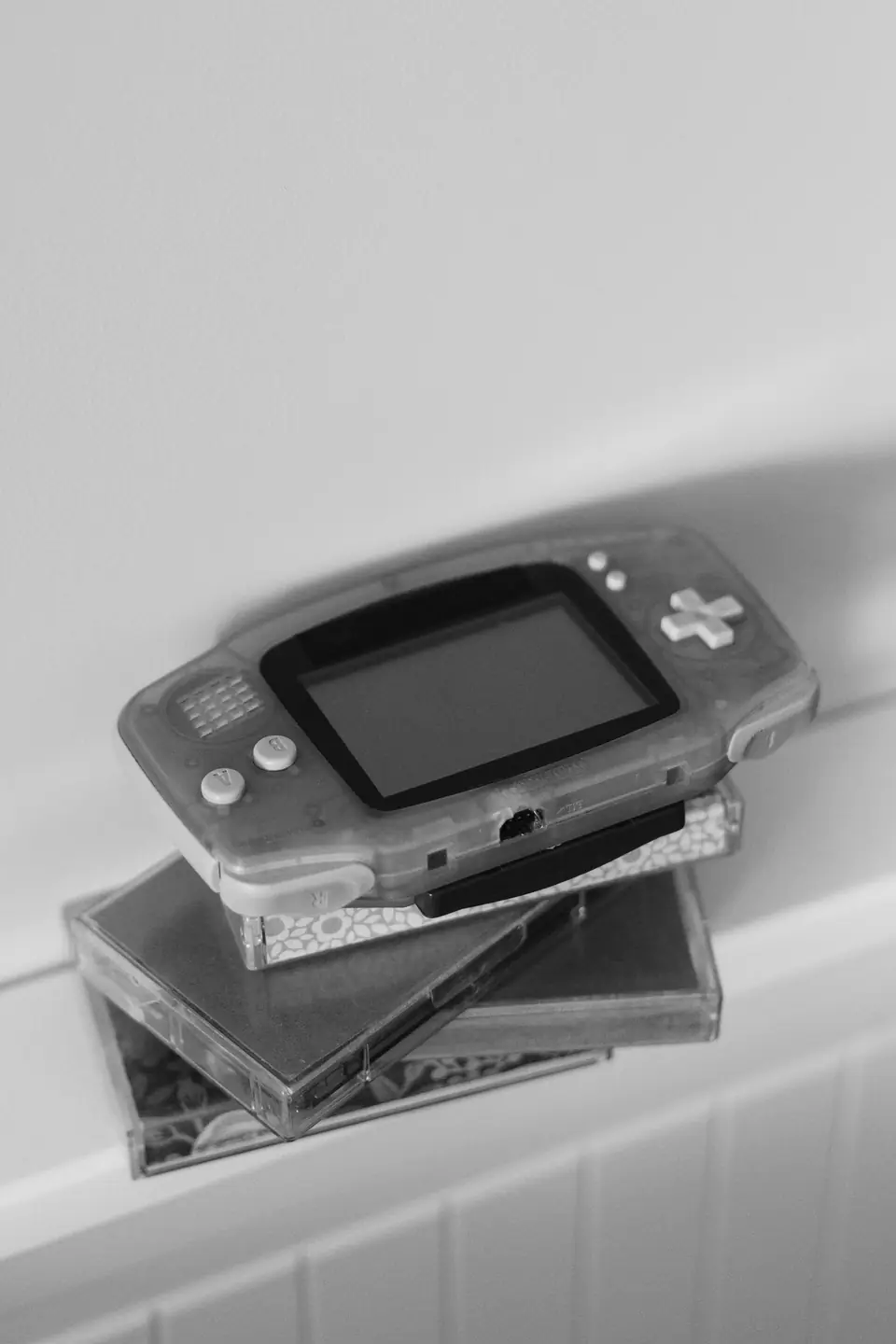
The link cable was a wire for connecting two Game Boys, and one man saw bugs crawling across it.
16. Sony’s PlayStation 2 (2000) played DVDs as well as games, which gave a household two reasons to buy one. It sold about 160 million units, more than any console before it.
17. Blizzard Entertainment’s World of Warcraft (2004) took the online role-playing game out of its niche and made it a nightly appointment for millions. For many players, it was the first place they had friends they had never met. It also perfected the game that never lets you finish, a lesson the industry learned too well.
18. Nintendo’s Wii (2006) used a motion controller to bring grandparents to a bowling alley in the living room. It sold more than 100 million units and showed that the audience for games could be everyone. For a few years, it made the controller disappear.
19. Mojang’s Minecraft (2009) was released by Markus Persson with no instructions and a block world that the player could reshape completely. It is one of the two best-selling games in history, and a generation learned to build in it. It is the logical end of the story this list tells, because the player is handed neither a hero nor a finished world but the materials.
20. Nintendo’s Switch (2017) is a home console that you can lift off its dock and carry out the door. It has sold more than 150 million units, and it ended the argument between the couch and the commute by letting the player decide where the game lives.
You will disagree with at least three of these entries, and you should write to us about it. The better test is to pick three you have never played and give each one an hour. Most are sold today in some form, and the old ones take less time to learn than the new ones, which may be the most useful criticism a list like this can offer.