
Essay
Write it by hand.
A handwritten note is worth more than a text for the same reason it is rarer: it costs time, paper and a stamp. That cost is the message, and paying it is one of the few gestures left that cannot be automated.
Written by CONTROL
This article runs 879 words and takes about four minutes to read.
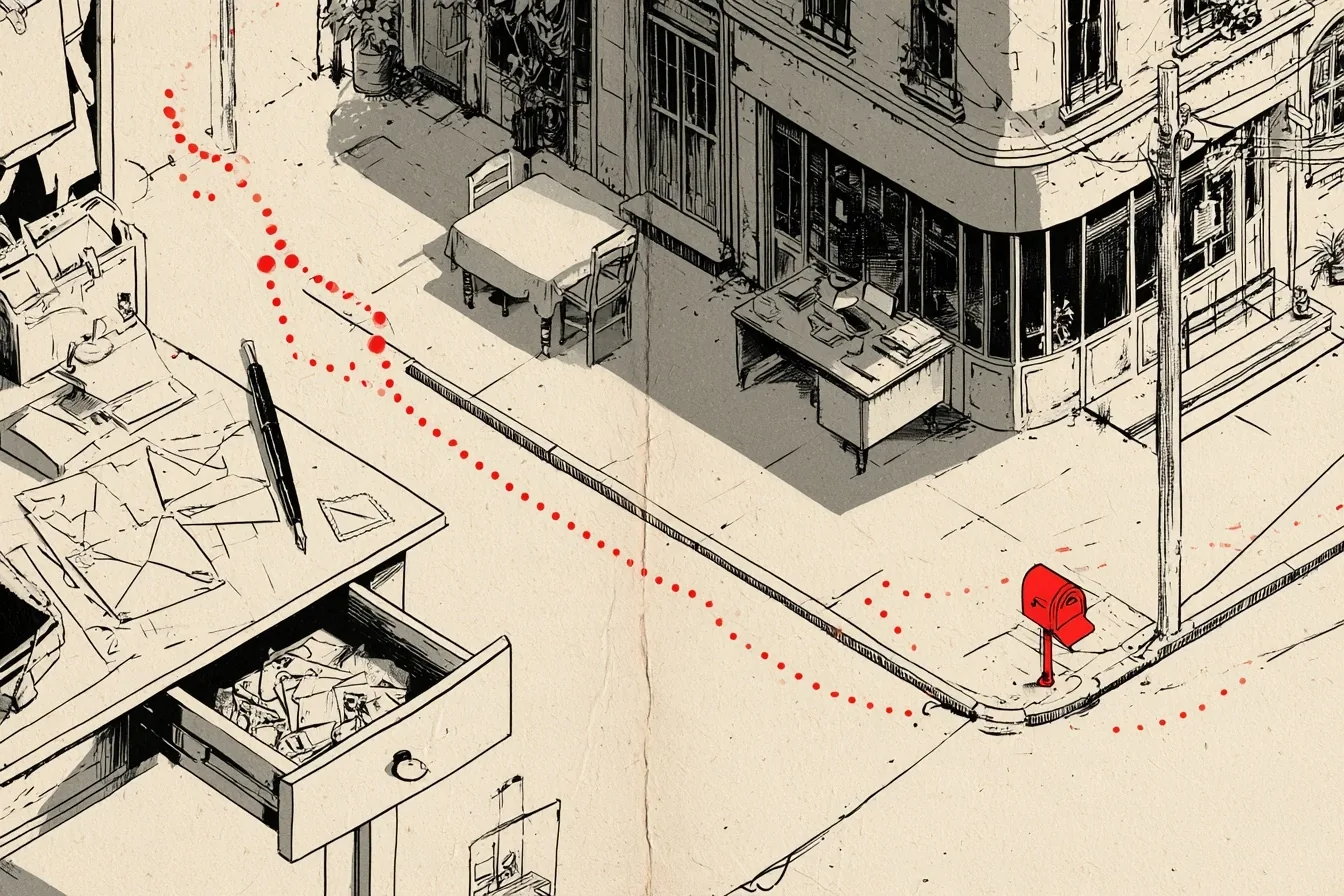
Consider what a text message of thanks actually costs the person who sends it. It takes a few seconds, it requires no preparation and it can now be drafted by software that has never met the recipient. The recipient knows all of this, which is why a text is read in two seconds and buried by the next one. A card that arrives in the mail is different. It sits on a desk or a refrigerator for weeks, and people keep the good ones in a drawer for years.
The difference is not sentiment. It is cost. A handwritten note requires the sender to own cards and stamps, to know an address, to find a pen that works and to spend five uninterrupted minutes thinking about one person. Because almost nobody pays that cost anymore, paying it says something that no quantity of messages can. In a period when a machine can write a gracious paragraph in any voice, the hand is one of the few remaining proofs that a human being took the trouble.
When a note is owed
Some occasions call for a card every time. Send one after a gift, after someone hosts you for dinner or a weekend, after a job interview and after a death in the family of someone you know. Congratulations deserve one too, whether for a new job, a wedding or a baby.
Speed matters more than polish. Aim to write within a day or two, and within one day after an interview, when the note can still arrive before a decision is made. A condolence note has no deadline, because grief outlasts the funeral by months, but sooner is kinder. A note sent late is still better than one never sent.
What to say, and what to leave out
A good note has three parts and fits on one side of a small card. Begin by naming the specific thing, as in “Thank you for dinner on Saturday.” Add one detail that proves you were paying attention, such as “The braised short ribs have ruined every other short rib for me.” Close by looking forward, with something like “Next time, it’s at our place.” Sign with your first name, and do not apologize for your handwriting.
A condolence note follows the same pattern in a softer voice. Say that you are sorry, share one real memory of the person if you have one, and offer something specific, such as bringing dinner on Thursday, rather than the open-ended “Let me know if you need anything,” which places the burden back on the grieving. Do not explain the loss, compare it with your own or search for a bright side. Short and sincere is the entire assignment.
Most notes are never written because of the blank card. The card is out, the pen is uncapped and the first line refuses to come. The remedy is to stop trying to be eloquent. Write the opening as plainly as you can, beginning with “Thank you for” or “I was so sorry to hear,” and the rest tends to follow. Check the spelling of names and the address before you begin rather than halfway through.
The difference is not sentiment. It is cost.
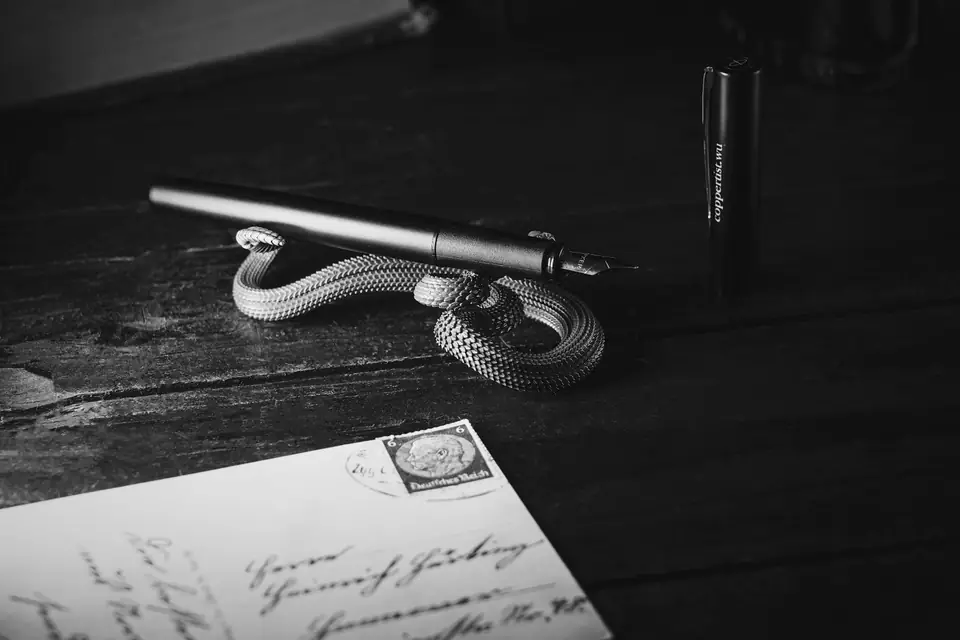
The paper and the post
The kit is small and inexpensive. Buy a box of plain, heavy correspondence cards in white or cream with matching envelopes. The A2 size, a card of 4¼ by 5½ inches in an envelope of 4⅜ by 5¾ inches, is the standard, so replacement envelopes are easy to find. Choose one pen you enjoy using, whether a fine gel pen or a fountain pen, and test it on the card first, because some fountain inks spread on soft paper. Add a book of Forever stamps and a small address book, and keep everything together in one flat box in a desk drawer.
Address the envelope in three centered lines: the name, then the street address with any apartment number, then the city, the state abbreviation and the ZIP code. Your own address goes in the same form in the upper left corner, and the stamp goes in the upper right. The Postal Service’s own guidance favors capital letters without punctuation, which its scanners read most reliably, so block capitals are the safe choice if your handwriting wanders.
Avoid square envelopes, however handsome they look. The Postal Service treats square letters as nonmachinable, because they jam its sorting equipment, and it charges extra postage on each one. A square card sent with a single ordinary stamp can come back to you or arrive with postage due. Rectangular A2 envelopes travel through the machines at the standard letter rate.
The habit that makes it possible
The difference between people who write notes and people who intend to is almost entirely logistical. Keep five blank cards, five stamps and the pen in the same place at all times, and replace each card the week it is used. Someone with a stocked drawer writes the note on the evening it occurs to them. Someone who first has to buy stamps usually does not, and the moment passes. The cost of the note is small, but it has to be paid in advance, and that is the part most of us skip.